

Key Takeaways
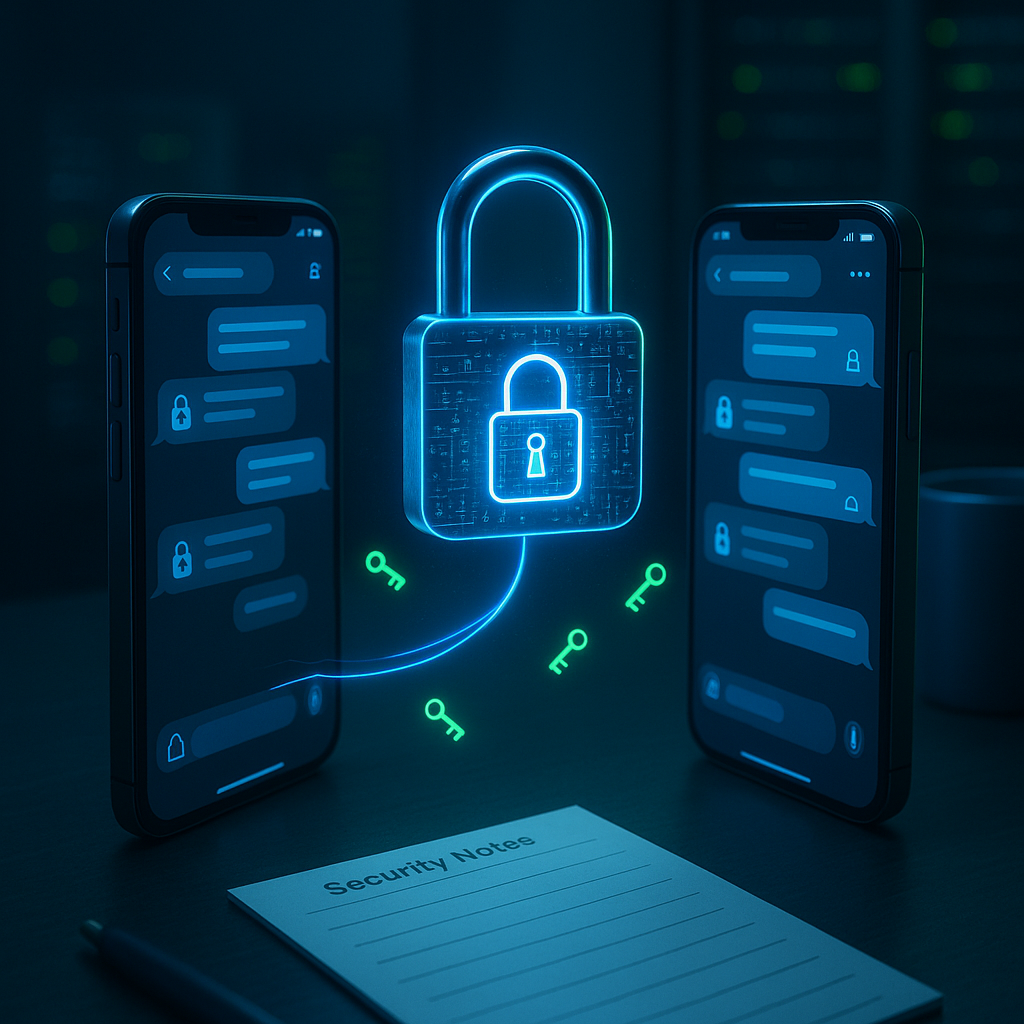
End-to-end encryption (E2EE) is revolutionizing digital privacy, making strong protection accessible to everyone, not just IT professionals. Whether you text, email, or share files online, understanding E2EE empowers you to take control of your privacy. Here’s what you need to know:
- Real Privacy for Everyone: E2EE gives you (and your intended recipient) exclusive access to decrypted messages. No service provider, government agency, or hacker can read your data in transit.
- Private by Default: Everyday messaging apps like WhatsApp, Signal, and iMessage use E2EE to keep your conversations, calls, and shared files inaccessible to outsiders, including the app providers themselves.
- A Clear Upgrade Over Regular Encryption: Unlike standard encryption, which may still allow service providers to hold decryption keys, E2EE ensures only participants in a conversation can access the information. This design drastically reduces the risk of leaks or misuse.
- Essential for Digital Trust: E2EE isn’t only for those with secrets to hide. It protects users from identity theft, scams, and surveillance, making online interactions safer, no matter who you are.
- Effortless Security Boost: Activating E2EE features is typically just a tap away. Even if you’re not tech-savvy, you can enhance your digital safety with minimal effort.
- Strong, But Not Invulnerable: While E2EE is your most reliable defense against unauthorized access, maintaining device security and adopting safe habits remain crucial.
Learning what E2EE is and practicing simple security steps can transform your online experience from vulnerable to empowered. In the following sections, we’ll explore how E2EE works, where it’s making a difference, and how you can easily integrate it into your digital routine.
Introduction
Every time you send a message, join a video call, or upload a sensitive file, your personal data could be vulnerable. Without the protection of end-to-end encryption, that data is at risk. E2EE hands control back to you, locking down your digital conversations so only you and those you trust can access their content.
Advanced privacy is no longer exclusive to tech insiders. Today, leading applications such as WhatsApp, Signal, and iMessage have brought E2EE to everyday users, making confidential chats, family photos, and business information secure by default. By enabling E2EE, anyone can strengthen their digital safety without technical knowledge.
Un passo avanti. Sempre.
Unisciti al nostro canale Telegram per ricevere
aggiornamenti mirati, notizie selezionate e contenuti che fanno davvero la differenza.
Zero distrazioni, solo ciò che conta.
 Entra nel Canale
This guide will help you understand the workings of end-to-end encryption, its transformative impact across industries, and practical tips to enhance your privacy with just a few simple actions.
Understanding End-to-End Encryption Basics
End-to-end encryption is like placing a message in an ultra-secure lockbox that only you and the intended recipient can open. When you send a message, it is converted into indecipherable code on your device, remaining scrambled until your recipient unlocks it with their unique digital key. Think of it as mailing a letter that only your recipient has the key to open. No one else, not even the postal service, can peek inside.
How E2EE Differs from Regular Encryption
To appreciate E2EE’s power, consider the difference from standard encryption. Regular encryption often secures your data when it travels between your device and a service provider’s server. However, the provider might still be able to unlock and read your information in certain situations.
E2EE eliminates any possibility of third-party access. Once your message is encrypted, it cannot be decrypted by anyone except your intended recipient. Even the app provider has no means to access your conversation, ensuring privacy at every step.
Key attributes of E2EE include:
- Encryption starts and ends with the user devices.
- Only communicating parties hold the decryption keys.
- Information stays protected the entire way.
- Service providers cannot read the content, by design.
Real-World Applications Across Industries
While often associated with messaging, E2EE safeguards data in a variety of sectors:
- Personal Communication: Apps like WhatsApp, Signal, and iMessage use E2EE to ensure your texts, calls, and files are off-limits to unauthorized viewers.
- Healthcare: Secure patient portals and telemedicine platforms implement E2EE to protect sensitive medical records and confidential consultations.
- Finance: Banking apps and payment services use E2EE to prevent financial data leaks during transactions and customer communications.
- Legal: Law firms rely on encrypted email and file-sharing tools to maintain the confidentiality of client information and case files.
- Education: Universities and online learning platforms use E2EE for confidential grade reports, feedback, and private conversations between educators and students.
- Cloud Services: Solutions like ProtonMail and Tresorit deliver robust E2EE for secure document storage and transfer.
These examples showcase E2EE’s broad reach across vital aspects of modern life, offering peace of mind whether you are a business professional, patient, student, or everyday consumer.
The Technology Behind the Security
To understand how E2EE delivers such robust protection, it’s helpful to explore the basics of the technology behind it.
The Key Exchange Process
At the heart of E2EE is a technique called public-key cryptography. Here’s how it works in practice:
- Each user receives a pair of unique keys: a public key (which can be shared freely) and a private key (kept secret).
- When you send a message, it’s encrypted using your recipient’s public key.
- Only the corresponding private key, residing on your recipient’s device, can decrypt the message.
- Your private key never leaves your device, ensuring only you can access your encrypted content.
This process secures your messages even if they pass through multiple servers or networks. Without the unique private key, intercepted data remains indecipherable.
Advanced Safety Measures
E2EE employs several advanced methods to further protect your security:
- Perfect Forward Secrecy: Each communication session or message uses a different encryption key, making it virtually impossible for attackers to decrypt old messages even if they compromise one session.
- Fingerprint Verification: Many apps allow you to verify the identity of your contact by comparing unique safety numbers.
- Automatic Key Management: Modern apps generate and distribute encryption keys automatically, removing the complexity from your hands.
- Device Storage Protection: Encrypted data remains safe even if your message history is accessible only on your secure, authenticated devices.
These background safeguards operate automatically, requiring little to no technical expertise from users while dramatically increasing security.
Practical Benefits for Everyday Users
E2EE arms everyday users with strong defenses against digital attacks and privacy invasions.
Protection Against Widespread Threats
Here’s how E2EE shields you from common risks:
- Identity Theft: Prevents sensitive data like login credentials or financial details from being stolen in transit.
- Corporate Breaches: Stops workplace messages and internal files from leaking during unauthorized server hacks.
- Government Surveillance: Limits the ability of third parties to scan your private messages, reinforcing your right to privacy.
- Cybercrime: Renders intercepted messages useless to hackers and scammers.
- Message Interception: Ensures that only your intended recipient can access your communications, no matter how many stops your message makes en route.
For instance, sharing a medical record via an E2EE platform means it stays confidential from start to finish. That’s crucial for both privacy and compliance requirements.
Everyday Value in Different Contexts
The impact of E2EE extends well beyond specialist users:
Un passo avanti. Sempre.
Unisciti al nostro canale Telegram per ricevere
aggiornamenti mirati, notizie selezionate e contenuti che fanno davvero la differenza.
Zero distrazioni, solo ciò che conta.
Entra nel Canale
- Personal Space: Share family moments, sensitive photos, or private chats with confidence.
- Professional Security: Safely discuss trade secrets or client details, whether in finance, law, healthcare, or education.
- Consumer Protection: Safely send payment information, tax documents, or passwords via supporting apps.
- Academic Integrity: Protect personal feedback and student records on educational platforms.
E2EE isn’t just a technical enhancement. It delivers tangible real-world protection that’s easy, invisible, and automatic for users.
Making Smart Encryption Choices
Arming yourself with E2EE is straightforward, but selecting the right app and developing good habits are crucial for maximum benefit.
Choosing Trusted Apps
Consider these qualities when assessing secure platforms:
- Clear E2EE Commitment: The app explicitly states support for end-to-end encryption (ideally by default).
- Transparent Security Practices: Availability of independent security audits and published reports.
- Frequent Updates: Regular security patches and feature enhancements to address emerging threats.
- Plain Privacy Policies: Transparent statements about how your data is handled and protected.
Top-rated apps like Signal, WhatsApp, and ProtonMail check these boxes. For sensitive professional or industry-specific needs, specialty platforms such as Tresorit (for cloud storage) or Doxy.me (for telehealth) leverage E2EE to guarantee security.
Remember that some services may require manual activation of E2EE features. Always check your settings or provider documentation.
Maximizing Security with Simple Habits
Boost your defense with these easy actions:
- Keep Apps Up to Date: Updates often patch security vulnerabilities.
- Enable Additional Security Tools: Use app lock features, fingerprint authentication, or two-factor verification when available.
- Verify Contacts: Check safety codes or security fingerprints to confirm legitimate communication partners.
- Strengthen Device Security: A strong device passcode ensures that locally stored encrypted data remains inaccessible if your phone or computer is lost or stolen.
When you combine these habits with E2EE, you form a multi-layered shield against digital threats. You don’t have to become a security expert.
For a broader look at daily privacy practices, explore this Cyber Hygiene Checklist for practical, actionable security habits.
Conclusion
End-to-end encryption represents a fundamental shift in how we protect our digital communications and sensitive information. It puts privacy and control firmly in users’ hands. Whether you are a parent sharing photos, a healthcare professional handling patient records, a student sending assignments, or a small business owner discussing contracts, E2EE delivers peace of mind that your information remains confidential from start to finish.
As cyber threats become increasingly sophisticated and our reliance on digital services grows, adopting E2EE and maintaining good security habits isn’t just advisable. It is essential for protecting personal, professional, and financial well-being. Looking forward, proactive digital citizens and organizations who champion privacy by design will define the new standard for trust and safety online. The future belongs to those who not only adapt to these advancements but harness them to continually outpace risks. Make E2EE your ally, stay informed, and let your default digital mode be one of security and confidence in every interaction.




Leave a Reply