


Key Takeaways
- Top story: Microsoft announces a $23 billion investment in AI and cloud services, with a primary focus on expansion in India.
- New MacOS malware leverages legitimate AI tools to compromise devices.
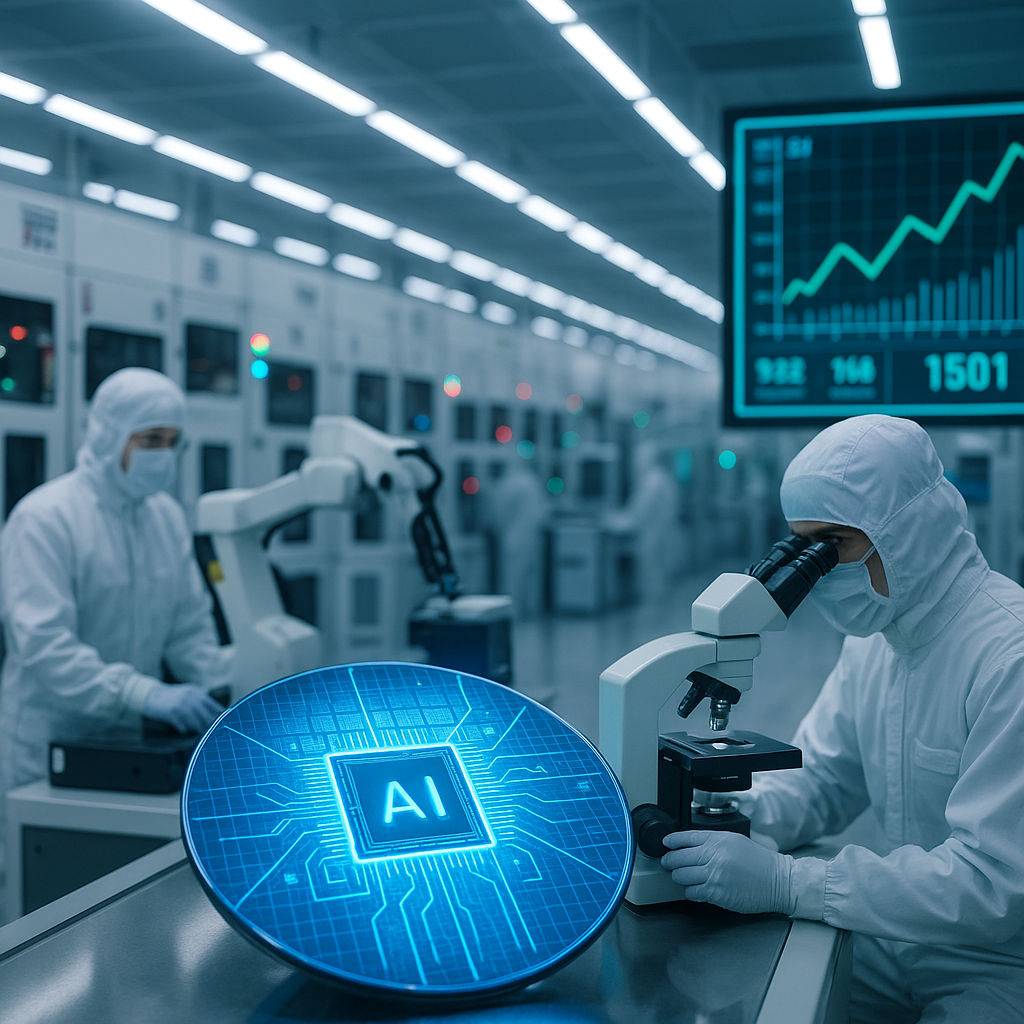
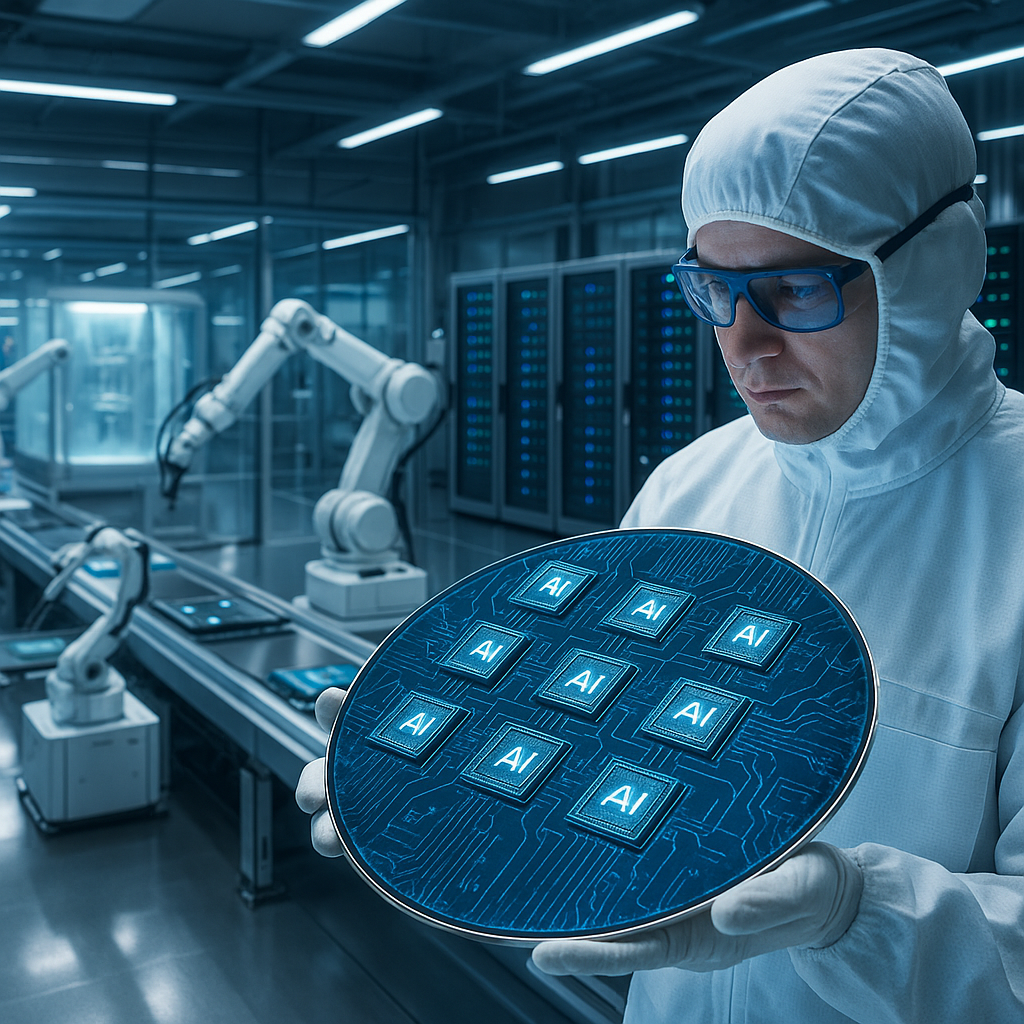
- Intel acquires an AI chip specialist, aiming to strengthen competition with Nvidia and AMD.
- Switzerland advises citizens to avoid Microsoft 365, citing concerns over weak data encryption.
- Tech security: Rising threats emphasize the importance of caution when using AI-powered applications.
- Industry analysts highlight India’s growing role in global tech investment strategies.
Introduction
On 13 December 2025, Microsoft leads the tech news daily press review with a $23 billion investment in AI and cloud services, emphasizing India’s strategic value in the global digital landscape. Today’s coverage also addresses new cybersecurity challenges, such as MacOS malware exploiting trusted AI tools. There are major industry shifts too, including Intel’s acquisition of an AI chip specialist.
Top Story: Microsoft Announces $23 Billion AI Infrastructure Investment
Microsoft has announced a $23 billion investment to expand its AI data center infrastructure across global markets. This represents the company’s largest capital expenditure to date for computing resources. The initiative will primarily support the construction of new AI-optimized data centers in the United States, Europe, and Asia; initial facilities are projected to become operational by mid-2026.
CEO Satya Nadella stated that this expansion is designed to meet increasing demand for AI computing resources while upholding the company’s climate commitments. Nadella characterized the investment as a demonstration of confidence in AI as a transformative technology. He also underscored Microsoft’s commitment to achieve carbon-negative operations from inception.
This move follows intensifying competition among tech giants seeking AI infrastructure leadership. Industry analysts from Gartner reported that Microsoft’s investment significantly exceeds recent announcements from Google ($15 billion) and Amazon ($18 billion). This could potentially position Microsoft to gain an edge in supporting enterprise AI workloads.
Un passo avanti. Sempre.
Unisciti al nostro canale Telegram per ricevere
aggiornamenti mirati, notizie selezionate e contenuti che fanno davvero la differenza.
Zero distrazioni, solo ciò che conta.
 Entra nel Canale
Global Expansion Plans
The investment allocates $10 billion for facilities in Virginia, Washington state, and Arizona. $7 billion will support European sites in Ireland and Sweden, and $6 billion is designated for Asian locations in Singapore and Japan. Each center is being designed specifically to accommodate and cool the specialized hardware required for large-scale AI model training and deployment.
Chief Technology Officer Kevin Scott noted that these data centers will feature custom AI accelerator chips, developed through Microsoft’s partnership with OpenAI. Scott emphasized that the facilities represent both significant computing capacity and specialized infrastructure for next-generation AI applications.
This expansion is anticipated to generate about 12,000 jobs across various regions, spanning both technical and support roles. Local officials in target areas have acknowledged and welcomed the projected economic impact.
Environmental and Supply Considerations
Microsoft has pledged to power all new facilities with 100% renewable energy and to incorporate advanced water conservation technologies. According to sustainability lead Lucas Joppa, each development will feature on-site renewable energy generation and rely on regional clean energy providers through power purchase agreements.
The scale of this investment raises questions about supply chain capacity, particularly regarding the availability of advanced semiconductors required for these facilities. Key suppliers TSMC and Nvidia have indicated ongoing efforts to increase production to meet anticipated demand.
Morgan Stanley analysts estimate that global AI infrastructure projects could encounter up to 18 months of component shortages if multiple companies pursue aggressive expansion simultaneously. Microsoft executives have acknowledged these challenges but expressed confidence in current supply chain arrangements.
Also Today: Cybersecurity
Major Vulnerability Discovered in Popular IoT Devices
Cybersecurity researchers from Google’s Project Zero team have disclosed a critical vulnerability affecting over 200 million IoT devices worldwide. The issue, termed “HomeBreach,” impacts smart home devices using the ConnectSmart protocol, including thermostats, security cameras, and smart speakers from leading manufacturers.
This vulnerability could enable unauthorized remote access to home networks and the extraction of sensitive data from connected devices. Researchers indicated that exploiting the flaw requires moderate technical skills and, under certain configurations, can be carried out remotely. Google communicated its findings to relevant manufacturers prior to public disclosure.
Manufacturers such as Samsung, LG, and Belkin have committed to releasing firmware updates within two weeks. Until updates are available, security experts recommend users disconnect susceptible devices from the internet or isolate them within separate network segments.
EU Launches Unified Cybersecurity Certification Framework
The European Commission has launched a unified cybersecurity certification framework for consumer electronics, creating standardized security requirements across the European Union market. Part of the European Cybersecurity Act, the framework introduces a three-tier certification system that addresses a range of digital product security needs.
EU Commissioner for Internal Market, Thierry Breton, stated that the framework will resolve longstanding fragmentation in security standards for both consumers and manufacturers. Certification will become mandatory for new devices sold in the EU as of June 2026; manufacturers are provided an 18-month transition period.
Industry response has generally been positive, though some smaller manufacturers have raised concerns about compliance costs. The European Consumer Organization (BEUC) welcomed the new framework, highlighting that standardized certification will support more informed consumer decisions.
Also Today: Startup Ecosystem
Quantum Computing Startup Rigetti Secures $340 Million Funding
Rigetti Computing, a quantum computing startup, announced a $340 million Series E funding round led by Breakthrough Energy Ventures and supported by investors including Andreessen Horowitz and Sequoia Capital. The company is now valued at approximately $2.1 billion, representing a significant milestone for the quantum sector.
Rigetti plans to expand quantum processor capacity and accelerate commercialization of its cloud-based quantum platform. CEO Chad Rigetti stated the company’s objective is to achieve practical quantum advantage for specific industry applications within the next 24 months.
This investment highlights increasing confidence in quantum technology’s commercial potential, with Rigetti targeting materials science, pharmaceutical research, and financial modeling. Industry analysts noted that this remains one of the largest funding rounds for a private quantum computing firm to date.
Tech Talent Migration Trends Show Shift to Mid-Sized Cities
A recent report by Robert Half Technology indicates growing migration of tech talent to mid-sized cities. Locations such as Raleigh, Austin, and Denver have experienced the largest net increases in tech workers over the past year. The study, analyzing data from more than 50,000 professionals, attributes the trend to changing work policies and personal priorities.
Un passo avanti. Sempre.
Unisciti al nostro canale Telegram per ricevere
aggiornamenti mirati, notizie selezionate e contenuti che fanno davvero la differenza.
Zero distrazioni, solo ciò che conta.
Entra nel Canale
Remote work remains a leading factor, cited by 78% of surveyed tech workers, followed by cost of living (65%) and quality of life (61%). Although cities like San Francisco and New York retain the most tech jobs overall, they are now seeing net outflows of experienced staff.
Companies are responding with nationwide recruiting initiatives; 62% of surveyed firms now offer permanent remote positions, up from 47% the previous year.
Also Today: Digital Health
FDA Clears First AI-Powered Diagnostic Tool for Primary Care
The U.S. Food and Drug Administration has granted clearance for the first AI-powered diagnostic assistant specifically for use in primary care. Developed by Arete Health, the tool applies machine learning to analyze patient symptoms, history, and vital signs to suggest potential diagnoses and recommend further tests.
Clinical trials found the tool reached 92% accuracy in identifying the correct diagnosis within its top three recommendations. This is a performance level similar to experienced physicians. Arete’s Chief Medical Officer Dr. Helen Martinez stated that the tool is intended as an additional safety and efficiency measure rather than a replacement for doctors.
FDA approval limits the system’s use to supporting, not replacing, physician decision-making. The American Academy of Family Physicians acknowledged the technology but emphasized that clinician expertise remains central to patient care.
Telehealth Usage Stabilizes at Three Times Pre-Pandemic Levels
A comprehensive study in JAMA Health Forum finds that telehealth utilization has stabilized at nearly three times pre-pandemic rates across all medical specialties. Analysis of over 80 million patient visits between 2019 and 2025 indicates telehealth now accounts for 27% of outpatient care, rising from 9% before COVID-19.
Mental health services maintain the highest telehealth adoption (61%), followed by chronic disease management (36%). Virtual primary care visits have settled at 24%, well above the pre-pandemic baseline.
Insurance reimbursement rules remain a key determinant of telehealth adoption. States with permanent parity laws have 31% higher utilization rates, demonstrating the importance of policy frameworks in shaping healthcare delivery.
What to Watch: Key Dates and Events
- 15 December 2025: Apple’s annual developer conference, with anticipated announcements on new AI features for iOS.
- 17 December 2025: Senate Commerce Committee hearing on AI regulation, featuring testimony from major tech CEOs.
- 18 December 2025: Q4 earnings reports from Adobe and Oracle, with investor attention on AI integration strategies.
- 20 December 2025: Public comment deadline for the National Institute of Standards and Technology’s AI Risk Management Framework 2.0.
- 8–12 January 2026: Consumer Electronics Show (CES) in Las Vegas, including an AI innovation showcase.
Conclusion
Microsoft’s $23 billion investment in AI and cloud infrastructure, with a priority on India, highlights the intensifying global race for technology leadership. Developments in quantum computing, cybersecurity regulation, and AI-driven healthcare underscore the ongoing transformation and rising stakes in digital innovation. For those watching the space: Major industry events and regulatory hearings on AI between 15 December 2025 and 12 January 2026 will set the pace for the coming year.


Leave a Reply