


Key Takeaways
- Top story: Cisco alerts organizations to active exploitation of a new zero-day vulnerability by Chinese hackers.
- Apple unveils an AI tool that generates 3D scenes instantly from standard photos.
- Companies report a renewed shift back to hiring human workers over relying solely on AI.
- Nvidia may reduce RTX 5000 GPU production by up to 40% due to changing market conditions.
Below are the full stories, expert analysis, and actionable takeaways.
Introduction
On 20 December 2025, today’s tech news daily press review highlights Cisco’s urgent alert as Chinese hackers actively exploit a new zero-day vulnerability, raising concerns about ongoing security challenges for organizations. Meanwhile, Apple’s AI makes headlines for its ability to instantly create 3D scenes from photos, reflecting rapid advancements and shifting trends across the tech sector.
Top Story: Cisco Issues Critical Security Alert
Cisco released an urgent security advisory regarding a zero-day vulnerability affecting its widely used network infrastructure products, including routers and switches relied on by approximately 70% of Fortune 500 companies. The vulnerability, tracked as CVE-2025-34892, could allow remote attackers to execute arbitrary code with system privileges without authentication.
Security researchers at Mandiant discovered the flaw and described it as “particularly severe” due to its ease of exploitation. Cisco confirmed that hackers have already begun actively exploiting the vulnerability in the wild. Targeted attacks have been observed against financial institutions and government agencies.
Un passo avanti. Sempre.
Unisciti al nostro canale Telegram per ricevere
aggiornamenti mirati, notizie selezionate e contenuti che fanno davvero la differenza.
Zero distrazioni, solo ciò che conta.
 Entra nel Canale
IT departments are strongly advised to apply the emergency patch immediately, as Cisco rated the vulnerability at 9.8 out of 10 on the CVSS severity scale. The company has established a dedicated incident response team to support customers and will hold an emergency webinar on 21 December 2025 at 2:00 PM ET to address technical questions from affected organizations.
For businesses unable to patch immediately, Cisco has provided temporary mitigation steps, including strict access control lists and disabling certain remote management protocols. This represents the most serious security issue for the company since the 2023 IOS XE backdoor incident.
Also Today: AI Regulation
EU AI Act Implementation Timeline Announced
The European Commission published the official implementation timeline for its landmark AI Act, with the first set of regulations taking effect on 15 March 2026. High-risk AI systems will face the strictest requirements, including mandatory risk assessments, human oversight provisions, and transparency obligations.
Tech companies operating in the EU now have approximately three months to bring their systems into compliance with the first phase. Industry leaders such as OpenAI, Google, and Anthropic have already established dedicated compliance teams. Smaller European AI startups have expressed concerns about resource limitations.
The phased rollout will continue through December 2026, when all provisions, including those related to general-purpose AI systems, will be fully enforced. EU Digital Commissioner Helena Bergström stated that the timeline “balances the need for innovation with essential protections for citizens.“
US Senate Advances Comprehensive AI Bill
The US Senate Commerce Committee voted 14-9 to advance the bipartisan AI Safety and Innovation Act to the full Senate floor. The proposed legislation would establish a federal AI safety framework, requiring safety testing for “frontier models” with potential national security implications.
The bill includes provisions for risk management requirements, transparency standards, and the creation of a dedicated AI Safety Office within the Department of Commerce. Unlike earlier proposals, it adopts a model-based approach focused on capabilities and potential risk rather than regulating individual industry sectors.
Committee Chair Maria Cantwell described the legislation as “a balanced approach that protects Americans while ensuring the US remains competitive in AI development.” The full Senate is expected to vote on the measure by mid-January 2026. House leadership has not yet committed to a timeline for consideration.
Also Today: Technology Industry Updates
Apple Unveils Next-Generation M4 Pro and M4 Max Chips
Apple announced its new M4 Pro and M4 Max chips, featuring significant performance and efficiency improvements over earlier generations. The M4 Max includes a 16-core CPU, 40-core GPU, and supports up to 128GB of unified memory, making it Apple’s most powerful silicon to date.
The chips will power updated MacBook Pro models and the new Mac Studio, available for pre-order starting next week. Apple claims the M4 Max delivers up to 50% faster performance for professional workflows compared to the M3 Max, while reducing power consumption by 25%.
Industry analysts note that these upgrades could further erode Windows PC market share in creative professional segments. IDC analyst Ryan Reith stated that Apple continues to demonstrate substantial advantages in performance-per-watt compared to traditional x86 architectures.
Meta Faces Record $4 Billion Fine Over Child Safety Violations
Meta has been fined a record $4 billion by the European Data Protection Board for alleged violations of child safety regulations on its Instagram platform. The ruling cites failures in age verification and inadequate protections against algorithmic amplification of harmful content to minors.
Meta announced plans to appeal, describing the fine as “disproportionate and procedurally flawed.” The company said that recent safety improvements such as enhanced parental controls and AI-powered content detection were not fully considered in the decision.
European consumer advocacy groups welcomed the ruling. Digital Rights Europe called it “a long-overdue recognition that social media platforms must prioritize children’s wellbeing over engagement metrics.” The fine represents approximately 7% of Meta’s annual global revenue, near the maximum 10% penalty allowed under GDPR.
Also Today: Emerging Tech Trends
Quantum Computing Milestone Reached by IBM
IBM researchers reported a major quantum computing breakthrough, demonstrating error correction that maintains qubit coherence long enough for practical computation. The company’s 433-qubit Condor processor successfully implemented a logical qubit with an error rate below 1%, a crucial threshold for quantum advantage.
This achievement could accelerate practical quantum applications in fields such as materials science, cryptography, and pharmaceutical development. IBM’s updated roadmap aims to deliver commercially viable quantum computing services by late 2026, two years ahead of previous projections.
Un passo avanti. Sempre.
Unisciti al nostro canale Telegram per ricevere
aggiornamenti mirati, notizie selezionate e contenuti che fanno davvero la differenza.
Zero distrazioni, solo ciò che conta.
Entra nel Canale
“We’ve crossed a fundamental barrier that has limited quantum computing’s practical utility,” stated Dr. Dario Gil, IBM’s Senior Vice President and Director of Research. IBM intends to make its error-correction techniques available to partners through its quantum cloud services next quarter.
Battery Technology Breakthrough Promises 15-Minute EV Charging
StorageTech, a battery startup backed by Breakthrough Energy Ventures, unveiled a new solid-state battery technology that could enable electric vehicles to charge from 10% to 80% capacity in under 15 minutes. The silicon-lithium composite anode increases energy density by 40% over current lithium-ion batteries.
Testing by the National Renewable Energy Laboratory confirmed the rapid charging capability and showed minimal degradation after 1,000 charge cycles. StorageTech has secured partnership agreements with two major automotive manufacturers for pilot production.
“This addresses the two primary consumer concerns with EVs: range anxiety and charging time,” said StorageTech CEO Jennifer Huang. The company plans small-scale commercial production starting in 2027, with automotive-grade batteries to follow by 2028.
Market Wrap: Tech Sector Performance
Semiconductor Stocks Surge on AI Demand
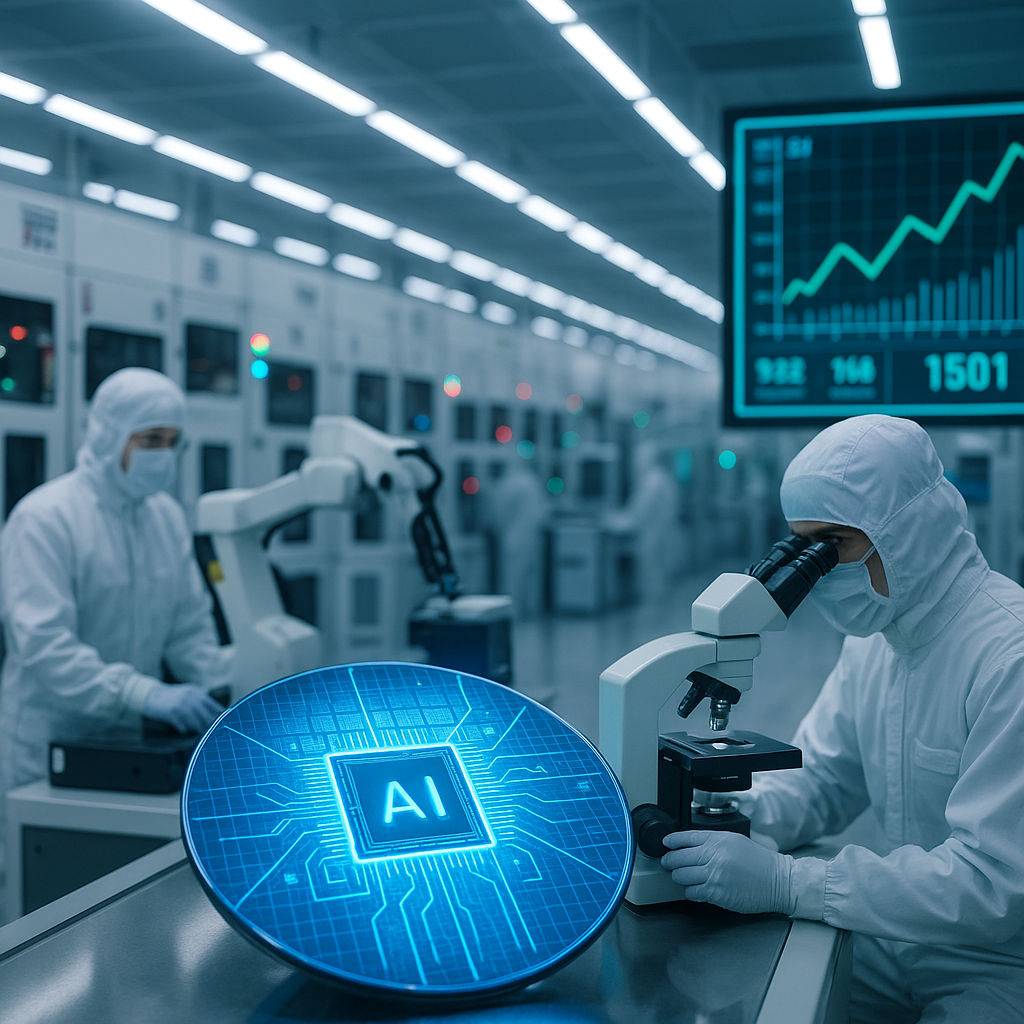
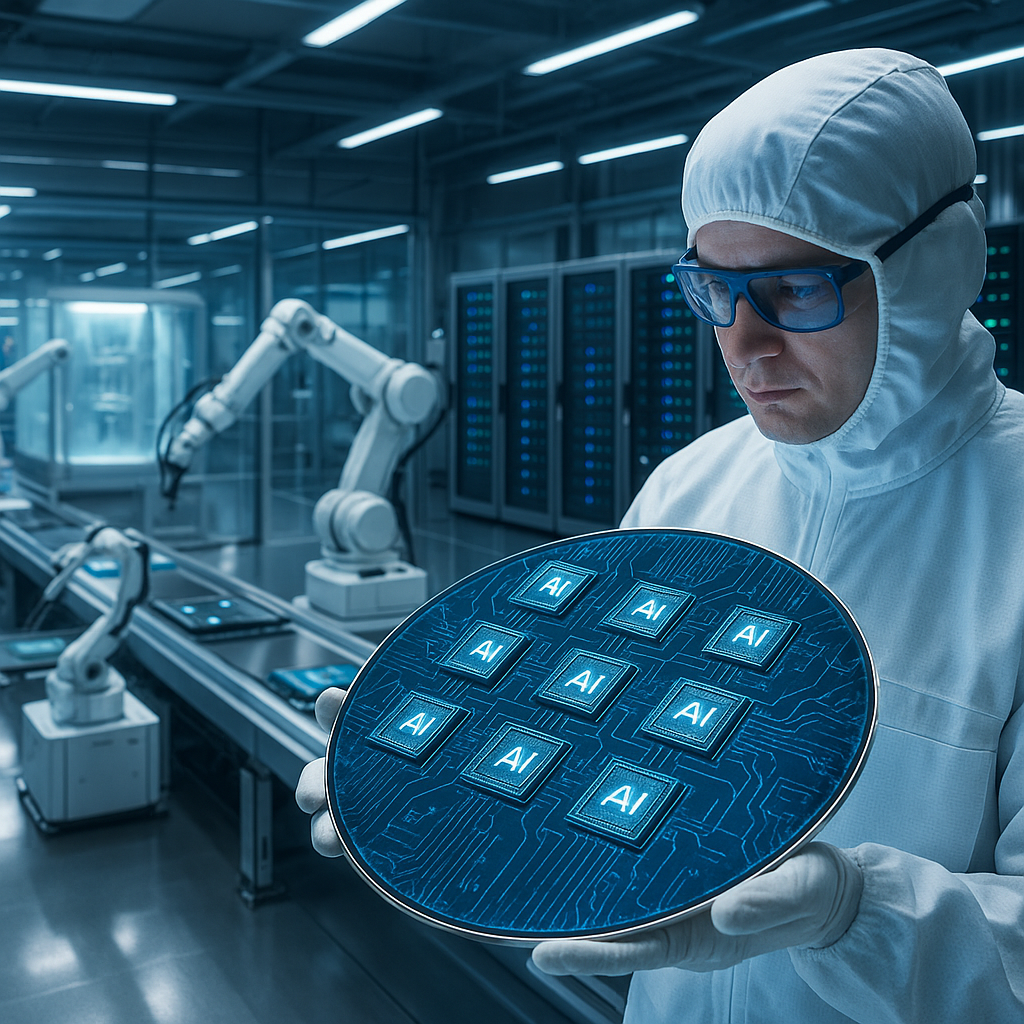
Semiconductor stocks led today’s tech rally, with the Philadelphia Semiconductor Index (SOX) climbing 3.2%. Nvidia gained 4.7% following expanded production capacity announcements for its next-generation AI accelerators. AMD rose 3.8% after receiving positive analyst commentary on its MI400 AI series.
Conclusion
Cisco’s urgent warning to patch a severe zero-day flaw underscores the ongoing risks facing enterprise infrastructure, as emphasized in today’s tech news daily press review. Wider regulatory developments in AI and landmark hardware launches reflect the rapid pace and growing complexity of digital transformation. What to watch: Cisco’s emergency security webinar on 21 December 2025 and upcoming EU AI Act deadlines in March and December 2026.


Leave a Reply