

Key Takeaways
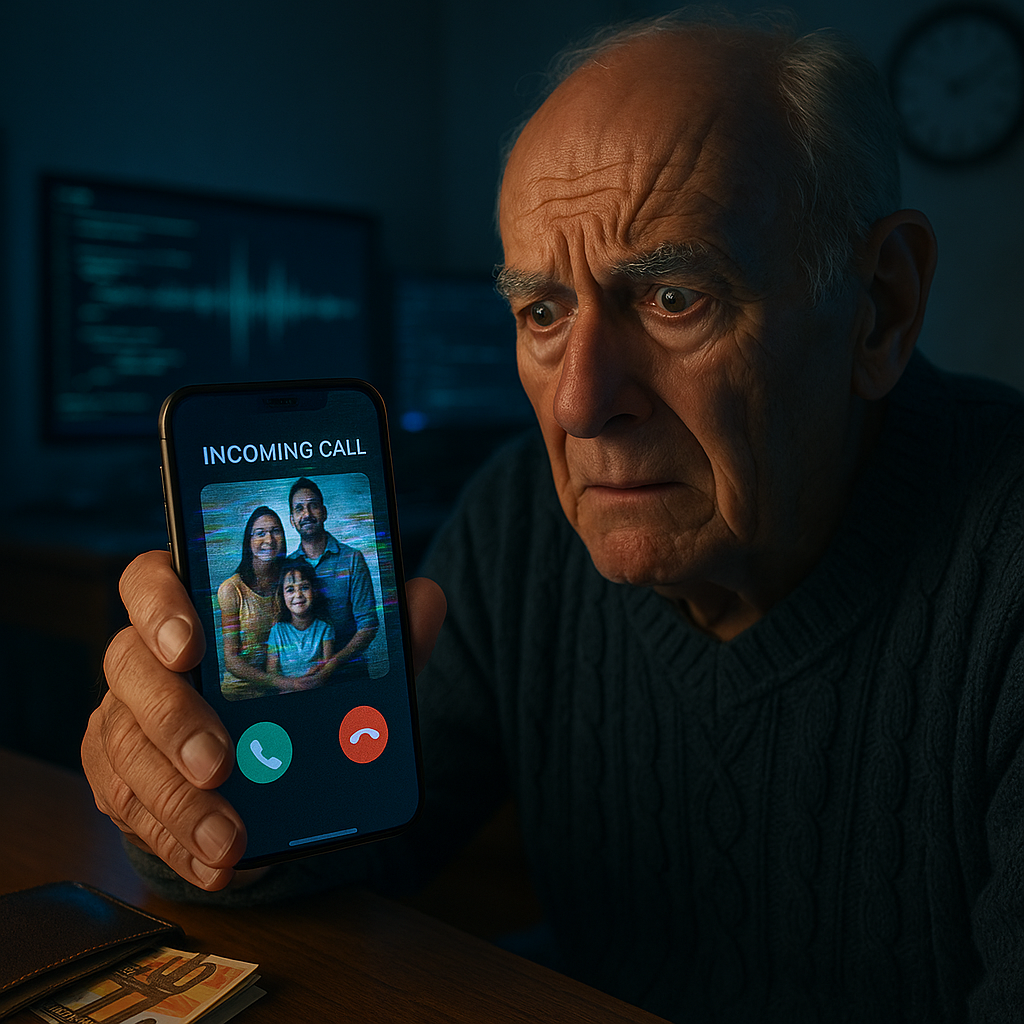
- On 29 December 2025, Italian police dismantled a criminal group that used AI voice cloning technology to defraud elderly citizens. This brought renewed attention to both risks and opportunities in the Italian technology news review.
- Top story: Police disrupted an AI-powered voice cloning fraud scheme targeting elderly people, raising new concerns about social engineering.
- A data breach at a major Italian public service exposed sensitive citizen information, fueling debate about data security standards.
- Regulations: AGCOM introduced stricter social media transparency measures ahead of national elections.
- Italian courts reinforced privacy protections for remote workers, setting new benchmarks for digital workplace rights.
Introduction
On 29 December 2025, Italian police broke up a criminal network exploiting AI-powered voice cloning to scam elderly citizens. This development highlights growing challenges in the Italian technology news review. This edition also examines the impact of a significant public service data breach and recent changes in regulations and privacy shaping the digital environment in Italy.
Top Story: Voice Cloning Fraud Triggers National Alert
The Italian Postal Police issued a nationwide alert after a surge in sophisticated voice cloning fraud, with over 2,000 victims affected in the past month. Criminals used AI tools to replicate the voices of family members, typically contacting elderly relatives and claiming emergencies to demand immediate financial transfers.
Investigators identified a criminal network operating mainly from Eastern Europe, employing social media recordings to create lifelike voice clones. Total estimated losses since October are €3.5 million. The average victim lost approximately €1,750.
These scams succeed by exploiting emotional vulnerability and family trust, according to Commissioner Maria Rossi of the Postal Police Cybercrime Division. Rossi noted that technology has advanced to a degree where even close relatives struggle to distinguish real voices from AI-generated ones.
Un passo avanti. Sempre.
Unisciti al nostro canale Telegram per ricevere
aggiornamenti mirati, notizie selezionate e contenuti che fanno davvero la differenza.
Zero distrazioni, solo ciò che conta.
 Entra nel Canale
Government Response
The Ministry of Digital Transformation announced a special task force including cybersecurity experts, police, and telecommunications providers to address the voice cloning threat. The group will develop technical countermeasures and launch public awareness campaigns.
Consumer protection agencies have started distributing guidelines and informational materials to senior centers and community groups throughout Italy. The recommendations encourage families to use verification codes or personal questions known only to genuine relatives.
Paolo Bianchi, digital security advisor to the ministry, stated that social engineering attacks are evolving. Italian cybersecurity developments need to counter increasingly personalized fraud that bypasses traditional security measures.
To protect against such threats, it’s essential to implement strong multi-factor authentication and remain vigilant for psychological manipulation tactics used in digital scams.
Also Today: Privacy Regulations
New Data Protection Rules for Smart Devices
The Italian Data Protection Authority (Garante) published comprehensive guidelines for smart home device manufacturers, setting stringent privacy standards for products entering the market in 2026. Regulations require transparent disclosure of all data collection practices and mandatory user control over voice recordings.
All companies must use a “privacy by design” approach, ensuring that personal data protection is integrated from the outset. The guidelines respond to concerns about passive listening by voice-activated assistants in private homes.
Garante President Luca Ferrari stated that Italian privacy regulations are evolving to meet technological advances, with a focus on consumer transparency regarding voice commands and home conversations.
Adopting basic cyber hygiene practices and awareness of privacy rights remains crucial, especially as regulations continue to strengthen.
Biometric Data Protection Enhancements
The Italian parliament approved amendments to the biometric data protection framework, imposing stricter consent requirements and limiting data retention. The legislation specifically targets facial recognition in public and commercial spaces.
Under the updated provisions, explicit user consent is required for biometric processing, except in narrowly defined public security scenarios. Companies must delete biometric data within 48 hours unless users grant extended retention.
Privacy advocates welcomed the changes and described them as positioning Italy at the forefront of balancing digital transformation with fundamental privacy rights. Civil rights group DigitalLibertà highlighted the framework’s role in fostering innovation without compromising personal data.
Also Today: Technology Education
Digital Literacy Program Expansion
The Ministry of Education announced a €450 million expansion of the National Digital Literacy Program, extending comprehensive technology education to all primary and secondary schools by September 2026. The initiative includes teacher training, curriculum updates, and upgrades to technology infrastructure.
The expanded program emphasizes cybersecurity education, adding age-appropriate online safety content from third grade. Core modules on identifying disinformation and protecting personal data will become mandatory in the curriculum.
Education Minister Sofia Esposito noted that technical skills alone are not sufficient in today’s digital environment. Students need critical thinking skills to navigate online threats and evaluate information sources.
This approach parallels initiatives discussed in why cyber hygiene education in schools is becoming an essential pillar of digital literacy worldwide.
University-Industry Partnerships
Seven leading Italian universities have formalized partnerships with technology companies to create specialized degree programs in artificial intelligence, cybersecurity, and advanced data analytics. The collaboration aims to address Italy’s growing technology skills gap, with corporate partners offering 5,000 internship opportunities.
Un passo avanti. Sempre.
Unisciti al nostro canale Telegram per ricevere
aggiornamenti mirati, notizie selezionate e contenuti che fanno davvero la differenza.
Zero distrazioni, solo ciò che conta.
Entra nel Canale
The programs will feature co-designed curricula from academic and industry experts, with courses beginning in the 2026–2027 academic year. Scholarships for underrepresented groups in technology will comprise 30% of available positions.
University of Milan rector Giovanni Russo stated that these partnerships mark a significant step forward in Italian technology education and workforce development. Aligning academic training with industry needs prepares students for immediate roles in high-demand technology sectors.
As remote work and digital security converge, adopting practices for smart home security is increasingly relevant for both students and professionals.
What to Watch: Key Dates and Events
- AGCOM implementation of AI content labeling rules: 15 January 2026
- Parliamentary hearings on voice authentication standards: 3–5 February 2026
- National Cybersecurity Agency public conference on AI threats: 12 February 2026, Rome
- Regional elections in Lombardy and Piedmont featuring new digital voting security measures: 8 March 2026
- Data Protection Authority compliance deadline for smart device makers: 30 April 2026
Conclusion
This Italian technology news review demonstrates how modern AI threats like voice cloning are prompting authorities to enhance consumer protections and expand digital literacy. Broader reforms in privacy, education, and regulation indicate Italy’s continued effort to balance technological innovation with security and public trust. Looking ahead, new AGCOM media transparency rules will take effect on 15 January 2026. Additional hearings and conferences on digital security are also scheduled for early 2026.
Cultivating a strong foundation of digital declutter and cyber awareness will remain vital as Italy adapts to emerging technological and regulatory challenges.




Leave a Reply