


Key Takeaways
- Top story: CES 2026 opens with AI features widely embedded in consumer electronics, marking a shift toward smarter homes and workplaces.
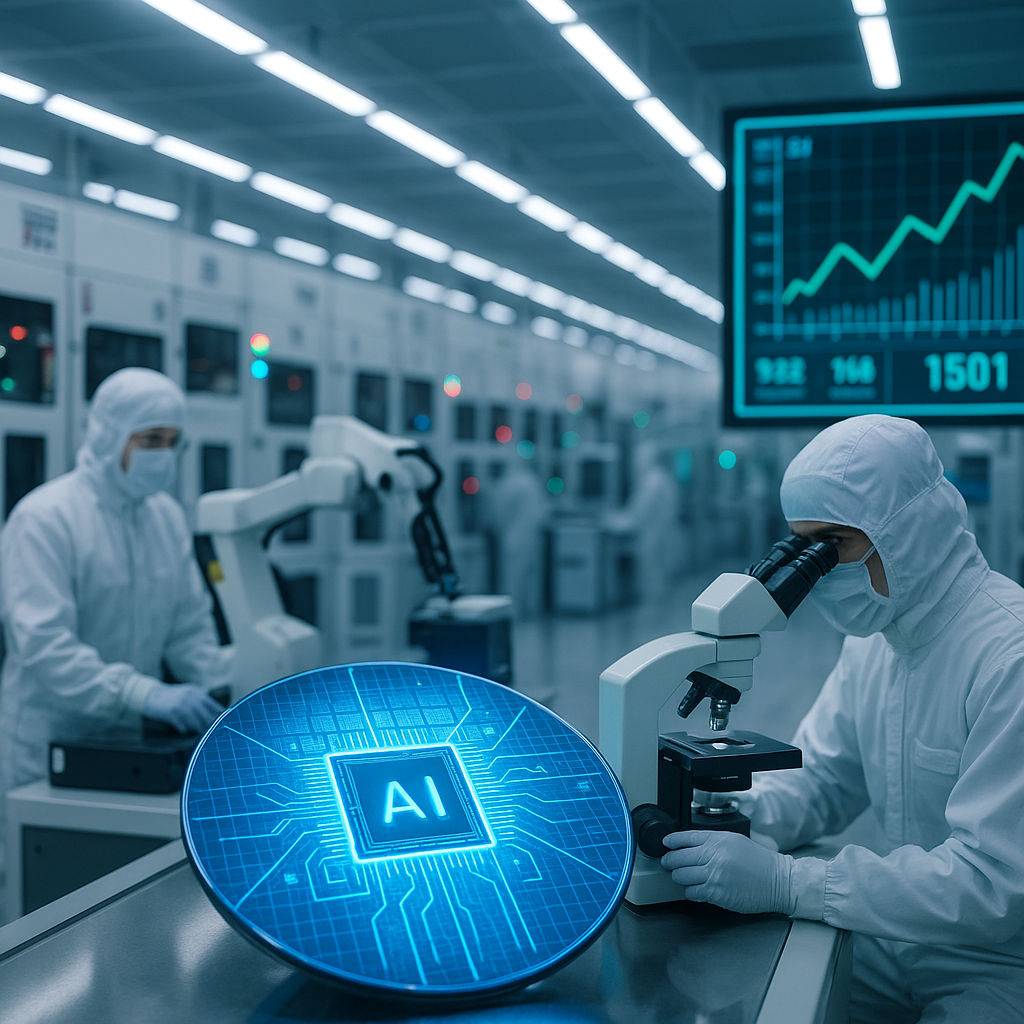
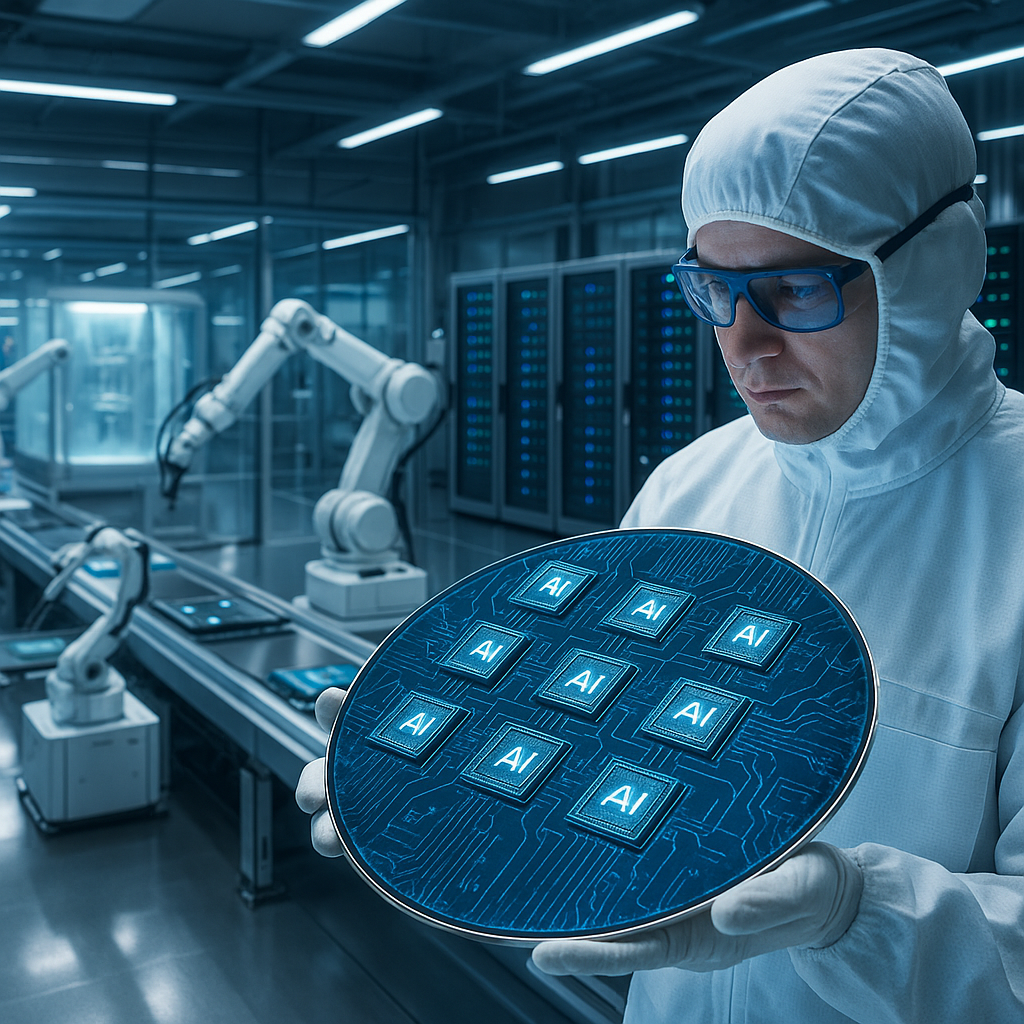
- Foxconn reports a surge in sales, driven by strong demand for AI-capable servers supporting the new wave of digital infrastructure.
- NVIDIA introduces G-SYNC Pulsar gaming monitors, offering a 1000Hz refresh rate for exceptionally smooth, clear visuals.
- Intel announces the Core Ultra 3 line, processors designed specifically for edge AI performance in home and business devices.
- CES 2026 tech highlights illustrate rapid convergence of AI, gaming, and productivity technology for mainstream users.
Introduction
On 7 January 2026, CES 2026 tech highlights take center stage as the event opens with AI now seamlessly integrated into everyday devices. This signals a new era of smarter living and working. Foxconn’s surge in sales from AI-driven server demand underscores how significantly artificial intelligence is reshaping both consumer and industry landscapes, as covered in today’s roundup.
Top Story: AI-Powered Devices Dominate CES 2026
On-device AI takes center stage
The Consumer Electronics Show 2026 opened in Las Vegas with a clear trend: artificial intelligence processing is moving from the cloud to local devices. Major manufacturers such as Samsung, Apple, and Google showcased products equipped with dedicated AI processors that handle complex tasks locally without requiring internet connectivity.
Samsung’s new Galaxy AI Home Hub demonstrated the ability to coordinate smart home devices while processing voice commands on the device itself, eliminating cloud latency and addressing privacy concerns. This development marks a significant evolution from previous years, when most AI functions required constant cloud access.
Samsung Electronics CEO Jong-Hee Han stated in his keynote address that consumers no longer need to choose between advanced AI capabilities and data privacy. He described this period as “the era of truly personal AI.”
Un passo avanti. Sempre.
Unisciti al nostro canale Telegram per ricevere
aggiornamenti mirati, notizie selezionate e contenuti che fanno davvero la differenza.
Zero distrazioni, solo ciò che conta.
 Entra nel Canale
Also Today: Extended Reality
Mixed reality headsets become more accessible
Several manufacturers unveiled mixed reality headsets at significantly lower price points than in previous generations. Meta’s Quest 4 Lite enters the market at $299, while Sony’s PlayStation VR3 debuts at $349, representing a 30% price drop compared to earlier models.
These devices feature improved displays with higher resolution and more compact designs, making extended reality more comfortable for longer use. Most new models highlight spatial computing capabilities, blending digital information seamlessly with the physical environment.
Industry analysts note that this price reduction suggests manufacturers believe AR/VR is reaching mainstream adoption. Maria Chen, technology analyst at Morgan Stanley, commented in her CES report published today that the ecosystem is ready for mass-market penetration.
Productivity applications gain traction
At CES 2026, extended reality demonstrations showed a marked focus on productivity applications rather than gaming. Microsoft presented its Office Spatial suite, which allows users to manipulate spreadsheets and documents in three-dimensional space using hand gestures.
Architectural and engineering firms demonstrated professional tools enabling teams to collaborate on 3D models within shared virtual environments. These applications leverage on-device AI processing to interpret complex gestures and voice commands without internet delay.
This emphasis on business applications indicates manufacturers are targeting enterprise customers to drive adoption before expanding further into consumer markets. Most productivity solutions were highlighted for their integration with existing workflow tools instead of requiring completely new systems.
Also Today: Sustainable Tech
Energy-efficient computing advances
Manufacturers presented major advancements in energy-efficient computing at CES 2026. Intel unveiled its new EcoCore processors, which claim a 40% power reduction compared to previous generations while sustaining performance levels.
Dell’s sustainability showcase featured laptops constructed with 85% recycled materials, including ocean-bound plastics and reclaimed carbon fiber. The company announced that all its consumer devices will be carbon-neutral in manufacturing by 2028.
Mary Jones, Chief Sustainability Officer at Dell, stated that energy efficiency and material sourcing now rank among the top five purchase considerations for customers.
Solar integration expands to everyday devices
Solar charging capabilities appeared in unexpected product categories at CES 2026. Garmin introduced a smartwatch line powered by transparent solar cells integrated into the watch face, eliminating the need for regular plug-in charging.
Household appliance makers displayed refrigerators and washing machines equipped with rooftop solar connectors, designed to operate partially or entirely off-grid. These innovations respond to increasing consumer demand for energy independence as utility costs rise.
Urban mobility solutions embraced solar technology. Electric bikes and scooters now feature integrated solar panels that extend range by up to 15 miles per day with sunlight exposure. Most solar-integrated products emphasized their reduced carbon footprint as a primary benefit.
eco gadgets such as these not only benefit the environment but are increasingly sought after by mainstream consumers for their blend of sustainability and utility.
Also Today: Health Tech
Preventive health monitoring matures
Exhibitors showcased increasingly advanced preventive health monitoring systems. Apple’s updated health ecosystem now offers continuous glucose monitoring using advanced spectroscopy through the watch, eliminating the need for invasive sensors.
Google Health launched an AI health assistant that analyzes trends in sleep, activity, heart rate, and other metrics to provide personalized wellness recommendations. The entire system operates on-device to protect sensitive health data.
Dr. Karen Lee, Chief Medical Officer at Google Health, stated that the future of healthcare is both preventive and personalized. She noted that these technologies can identify potential health issues weeks before traditional symptoms appear.
Un passo avanti. Sempre.
Unisciti al nostro canale Telegram per ricevere
aggiornamenti mirati, notizie selezionate e contenuti che fanno davvero la differenza.
Zero distrazioni, solo ciò che conta.
Entra nel Canale
Telehealth integrations become standardized
Telehealth capabilities are now standard features in consumer health devices. Samsung’s smart TVs include telehealth platforms directly integrated in their operating systems, allowing users to consult with healthcare providers via their living room screens.
Several pharmaceutical companies have partnered with tech firms to develop medication management systems that track adherence and effectiveness using connected pill dispensers and symptom tracking. These systems employ local AI to identify concerns without transmitting sensitive information to external servers.
This trend reflects increased consumer comfort with remote healthcare after years of pandemic-driven adoption. Most solutions focus on compatibility with major healthcare providers and insurance systems to ensure smooth integration with existing medical workflows.
wearable tech is playing a rapidly growing role in preventive and personalized health management.
What to Watch: Key Dates and Events
- Microsoft will hold its annual Surface event on 22 January 2026, with new AI-focused hardware expected.
- Apple’s developer conference, WWDC 2026, is scheduled for 8–12 June 2026 with a focus on on-device AI capabilities.
- The International Consumer Electronics Expo in Berlin opens on 4 September 2026, where European manufacturers will present their responses to CES innovations.
- Samsung’s Galaxy Unpacked event is confirmed for 11 February 2026, where the company will launch its next-generation mobile devices with expanded on-device AI features.
Conclusion
CES 2026 tech highlights confirm that AI integration into consumer devices is moving from cloud-based systems to local on-device processing. This marks a new phase of privacy and efficiency. Advances in reality headsets and sustainable technologies further illustrate a maturing ecosystem. What to watch: major industry events including Microsoft’s Surface event on 22 January 2026 and Samsung’s Galaxy Unpacked on 11 February 2026 are set to reveal additional developments in AI-powered innovation.
For more on building a seamlessly automated environment, explore smart home upgrades and the best smart home hacks for energy and efficiency. To maximize daily productivity and digital health, don’t miss expert advice on building a smart digital routine that leverages the latest tech advances.


Leave a Reply