

Key Takeaways
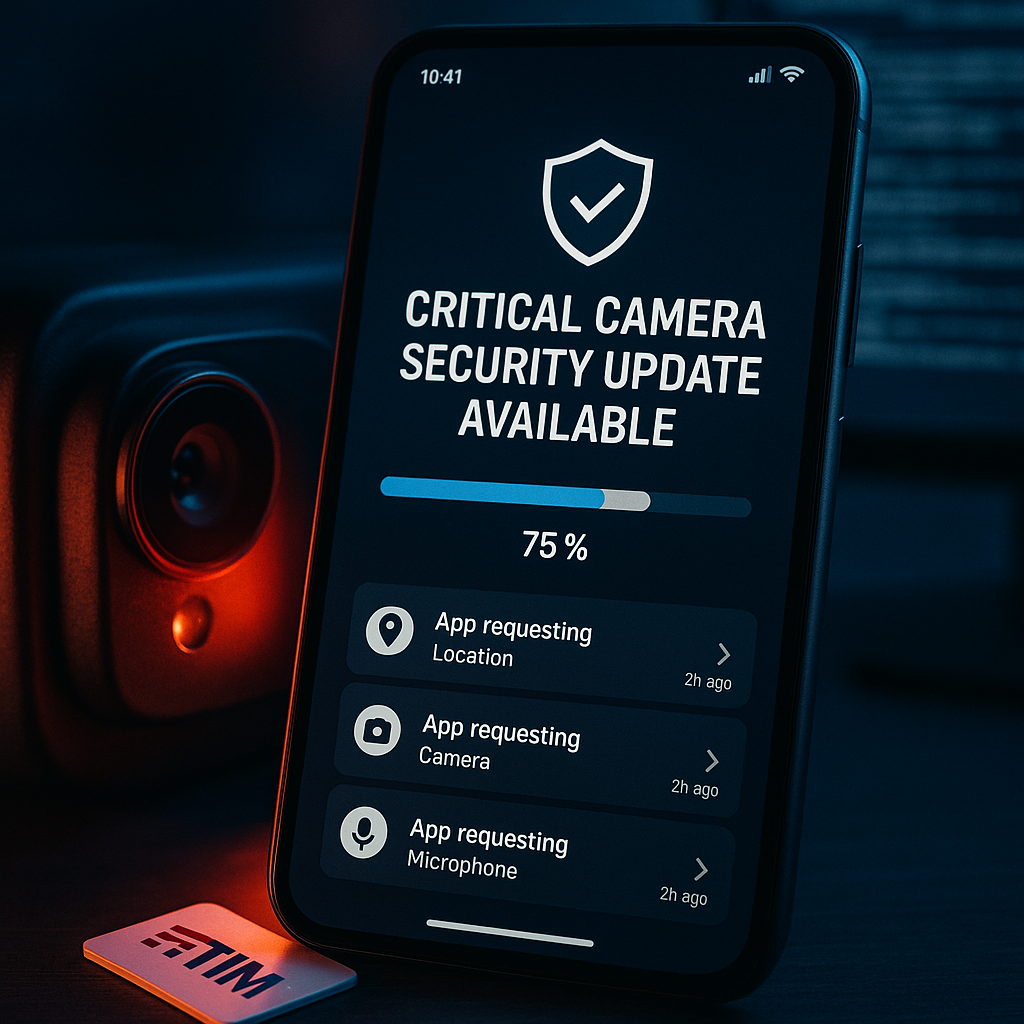
- Critical camera flaw patched: A zero-day vulnerability in the camera app that allowed unauthorized access to photos and videos has been addressed with a new security update.
- Staged rollout via Italian carriers: The patch was first delivered to users on TIM, Vodafone, and WindTre networks in Italy to monitor effectiveness and reduce risks ahead of global deployment.
- Potential new security model: Experts note that this targeted rollout strategy could serve as a template for future security update distribution worldwide.
- User action required: All affected smartphone users are urged to check for and install the latest system update to secure their devices promptly.
- Global release timeline set: Broader patch availability is scheduled for later this week, with regional updates rolling out to international markets.
Introduction
A major smartphone operating system released an urgent security patch on June 20, 2024, after researchers uncovered a zero-day camera vulnerability putting user photos and data at risk. The update began with users on TIM, Vodafone, and WindTre in Italy as part of a targeted rollout designed to improve patch uptake and reduce exposure before a broader global release.
Che cosa è successo
Security researchers identified a critical zero-day vulnerability last week that affected smartphone camera systems across multiple operating systems. The flaw allowed malicious applications to access camera functions without user permission, even when the camera appeared inactive.
This vulnerability specifically targeted the camera API interface and bypassed standard permission protocols that typically block unauthorized access. According to CyberSafe Analytics, who discovered the issue, attackers could capture photos or videos quietly and extract location data from image files.
Dr. Elisa Chen, lead researcher at CyberSafe Analytics, stated that the vulnerability was concerning because it operated below the permission layers users expect. Users would have had no indication their camera was being accessed.
Un passo avanti. Sempre.
Unisciti al nostro canale Telegram per ricevere
aggiornamenti mirati, notizie selezionate e contenuti che fanno davvero la differenza.
Zero distrazioni, solo ciò che conta.
 Entra nel Canale
No physical access to devices was required. The exploit could be triggered by seemingly harmless applications that had been compromised.
Dettagli della patch di sicurezza
Major smartphone OS developers issued emergency patches designed to close this security gap. The update strengthens the camera permission framework by adding verification layers to prevent apps from bypassing standard authorization processes.
The patch introduces real-time monitoring of camera access requests and enforces hardware-level verification before allowing activation. These improvements add multiple security checkpoints before any application can use camera features.
Marcus Williams, Head of Security at one of the major OS developers, explained that the update rearchitects how the operating system handles camera requests, creating a secure enclave for camera operations isolated from potential attackers.
A new visual indicator will also alert users whenever their camera is active, providing more transparency around camera usage.
Come funziona il rollout scaglionato
Instead of a worldwide simultaneous launch, developers chose a staged rollout strategy, beginning with Italian mobile carriers. This approach supports careful monitoring of patch performance before expanding to additional regions.
The Italian deployment began at 3 PM CET, reaching about 500,000 devices in the first wave. Technical teams are analyzing telemetry data to verify patch effectiveness and system stability before moving forward with broader distribution.
Sofia Ricci, a telecommunications analyst, noted that this gradual approach prioritizes both security and stability. Testing in a controlled environment helps developers catch issues before impacting millions of devices globally.
The next rollout phase targets carriers in Western Europe and North America within 48 hours, aiming for a worldwide release within five days.
Cosa devono fare gli utenti
All smartphone users should check for available updates immediately and install them as soon as possible. While most devices notify users when the patch is ready, a manual check is recommended.
To manually check for updates on most devices:
- Settings > System > Software Update (Android)
- Settings > General > Software Update (iOS)
- Settings > Update & Security (Windows devices)
Cybersecurity expert James Rodriguez advised not to delay installing this update. Security patches for active vulnerabilities should be prioritized over regular feature updates.
Users are also encouraged to review which applications have camera permissions and revoke access for any that do not absolutely require it until their device is confirmed patched.
Reazioni degli esperti e analisi
Security experts have praised the rapid response to the vulnerability. The patch was developed and released within nine days of discovery, reflecting faster incident management compared to previous cases.
Cybersecurity analyst Rebecca Wong indicated that this quick response demonstrates heightened manufacturer awareness of privacy-related threats and a maturing response process.
Privacy advocates, while appreciating the swift action, emphasized the need for more robust security testing focused on privacy boundaries. Carlo Rossi from the Digital Privacy Foundation highlighted the importance of thorough testing before vulnerabilities reach users.
Un passo avanti. Sempre.
Unisciti al nostro canale Telegram per ricevere
aggiornamenti mirati, notizie selezionate e contenuti che fanno davvero la differenza.
Zero distrazioni, solo ciò che conta.
Entra nel Canale
Analysts also remarked that the Italian-first rollout could become a model for distributing critical security updates while balancing urgency and stability.
Implicazioni per l’industria
This incident is the third major camera-focused security event in eighteen months, raising concerns over industry-wide camera security architecture. Manufacturers now face increased scrutiny and pressure to create comprehensive frameworks specifically for camera system security.
Several leading technology firms have announced the formation of a Camera Security Coalition to set new standards and testing protocols. The coalition aims to define best practices that can help prevent similar vulnerabilities in future operating system releases.
Technology analyst Maria Hernandez observed that camera systems now require specialized security measures, as standard permissions are no longer sufficient due to privacy implications.
This case also underscores the value of coordinated disclosure between security researchers and manufacturers. Collaboration helped accelerate patch development and distribution.
Cosa succede ora
The staged rollout strategy initiated with Italian carriers may set a precedent for critical security update management across the industry. It offers a balance between swift vulnerability responses and maintaining update stability.
Telecommunication providers are already discussing frameworks to further coordinate future security deployments. Giovanni Bianchi, Chief Technology Officer at a major Italian carrier, suggested such collaboration significantly improves update distribution.
Industry insiders predict these strategies could soon apply to other privacy-sensitive system components, including location and microphone access. In addition, more rigorous API security testing for camera functions is likely to become standard during software development processes.
Software consultant Alex Torres anticipates dedicated privacy boundary testing will become usual practice to prevent future incidents.
Conclusione
The rapid release of the patch for the zero-day camera vulnerability highlights both increased industry readiness and a shift toward more targeted, phased security responses. This case reinforces the need for specialized safeguards around smartphone cameras as privacy challenges evolve. Cosa tenere d’occhio: l’aggiornamento sarà esteso a Europa occidentale e Nord America entro 48 ore, con il rollout globale previsto entro cinque giorni.




Leave a Reply