
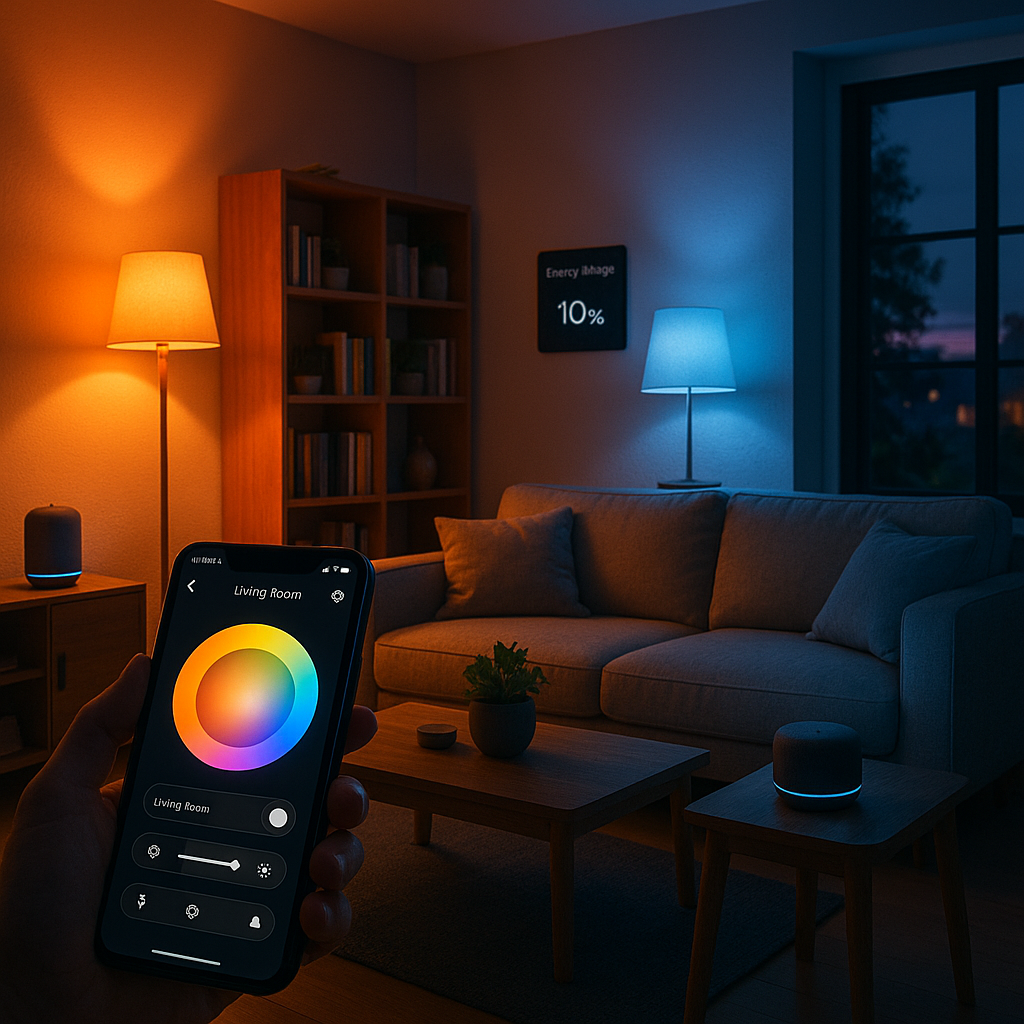

Key Takeaways
- Transform your mood, not just your room: Affordable smart lighting lets you effortlessly customize your home’s ambiance, setting “scenes” for relaxation, productivity, or entertaining. Lighting is as much about atmosphere as it is about energy savings.
- Slash your energy bills with LED smart bulbs: Swapping traditional bulbs for energy-efficient smart LEDs can reduce lighting-related energy costs by up to 75 percent, providing direct benefits for both the environment and your wallet.
- Seamless smart home integration made easy: Today’s affordable smart lights are compatible with leading platforms (such as Alexa, Google Assistant, and Apple HomeKit). This allows you to control lighting in harmony with thermostats, security systems, and more—all with a single app or your voice.
- DIY installation demystified: Many budget-friendly smart lighting systems and LED bulbs are designed for simple, tool-free installation. Beginners can upgrade their homes without needing an electrician or replacing existing fixtures.
- Boost your security, effortlessly: Schedule lights, use motion sensors, or automate lighting scenes when away to deter intruders. These features help your home appear occupied, providing peace of mind with minimal effort or extra cost.
- Find value without compromise: A growing selection of reputable brands now offers robust, feature-rich, and budget-friendly smart lights. Shoppers no longer have to sacrifice quality or flexibility to stay within budget.
- Automation for everyday convenience: Set lighting routines to match your daily habits. Wake up to gradual illumination, dim lights for movie nights, or add automatic shut-off to avoid wasting energy. Smart automation puts comfort, efficiency, and savings on autopilot.
With these advantages, smart lighting is no longer just a high-tech upgrade. It is an accessible way to personalize, secure, and future-proof your home (regardless of your budget). Next, we’ll explore key product options, practical setup tips, and some of the most effective strategies to unlock both savings and style for any household.
Introduction
A single lightbulb swap can do much more than lower your electricity bill. It can transform the atmosphere, security, and overall convenience of your home. Affordable smart lighting is not just about adding a futuristic touch; it is a practical and accessible upgrade that delivers true energy efficiency, intuitive automation, and mood-enhancing capabilities without breaking the bank.
Modern smart lighting systems empower you to instantly customize ambiance, enhance home security with clever schedules, and save significant money thanks to energy-saving LED bulbs. Most systems feature quick DIY installation and effortless smart home integration. Let’s see how smart lighting can help you build a more comfortable, secure, and cost-effective living space.
Understanding Smart Lighting Basics
Introducing smart lighting into your home means moving beyond basic on-off switches. These innovations bring personalization, convenience, and smarter energy use to every room.
Un passo avanti. Sempre.
Unisciti al nostro canale Telegram per ricevere
aggiornamenti mirati, notizie selezionate e contenuti che fanno davvero la differenza.
Zero distrazioni, solo ciò che conta.
 Entra nel Canale
What Makes Lighting “Smart”
Smart lighting converts traditional illumination into an interactive experience through wireless connectivity and advanced features. At its core, a smart lighting system consists of LED bulbs or fixtures equipped with wireless chips, allowing remote control through smartphone apps or voice commands. With this technology, users can fine-tune brightness, adjust color temperatures, and even design dynamic lighting scenes that shift automatically based on the activity or time of day.
In addition to adding comfort and convenience, smart lighting solutions can also optimize safety, aid in more productive daily routines, and even improve wellness by aligning lighting cycles with your natural rhythms.
Essential Components for Getting Started
Getting started with smart lighting is straightforward. Most systems require just three main components:
- Smart Bulbs or Fixtures: Entry-level smart LED bulbs are available starting at $10 to $15 each.
- Hub or Bridge (optional): Some systems use a central hub or bridge (ranging from $30 to $60) to connect several devices and enable advanced features.
- Smartphone App: Each brand offers a complimentary app for managing your lighting and routines.
For cost-conscious beginners, it’s best to choose hub-free, WiFi-enabled bulbs that connect directly to your network. Examples like the Wyze Bulb Color ($15) or the TP-Link Kasa line (around $20 per bulb) offer strong value and ease of use.
Budget-Friendly Smart Lighting Options
Expanding smart lighting throughout your home no longer means stretching your budget. A wide variety of affordable, feature-rich options are available to meet any need and decor.
Best Value Smart Bulbs
Whether you want simple white light or millions of color options, several brands offer great smart bulbs without a premium price tag:
-
Wyze Bulb Color ($15 per bulb)
-
Delivers 16 million color possibilities
-
1100 lumens for bright illumination
-
No hub requirement, simple app management
-
TP-Link Kasa Smart ($20 per bulb)
-
User-friendly, intuitive app controls
-
Reliable WiFi connection
-
Direct smartphone or voice control
-
LIFX Mini ($25 per bulb)
-
Outstanding color quality and vividness
-
Higher lumen output for larger spaces
-
Broad compatibility with Alexa, Google, and Apple platforms
These options offer impressive flexibility, easy setup, and noticeable savings over time.
Smart Switches vs. Smart Bulbs
Choosing between smart bulbs and smart switches depends on your home’s layout and desired control.
Smart Switches ($20–40 each)
- Ideal for controlling multiple standard bulbs on the same circuit (perfect for living rooms or kitchens)
- Cost-effective in areas with several fixtures wired to one switch
- Typically require some basic wiring knowledge to install (often tool-assisted, but manageable for most DIYers)
Smart Bulbs ($10–30 each)
- Quick, simple replacement—just screw in and connect via app
- Offers granular, individual bulb control (set different colors or brightness for each fixture)
- Especially suited for lamps, accent lighting, or feature areas where color-changing is desired
Balancing switches and bulbs lets you maximize flexibility and cost savings, upgrading rooms at your own pace.
Energy Savings and Efficiency Benefits
The advantages of smart lighting extend far beyond convenience. Adopting smart LEDs and automation can deliver long-term energy and cost savings, supporting both your finances and the environment.
Measurable Cost Reductions
Here’s how smart lighting can trim your energy spending:
- Automated schedules: Save 15 to 20 percent on lighting costs by turning lights off automatically when not needed or during daylight hours.
- Dimming features: Lowering brightness reduces power consumption by up to 40 percent.
- Motion sensors: Cut unnecessary energy use by up to 30 percent in infrequently used spaces, like laundry rooms or hallways.
- LED efficiency: Modern smart LEDs use 75 percent less energy than traditional incandescent bulbs, lasting years longer and generating less heat.
These measurable savings scale rapidly across multiple rooms, making your entire home more economical and eco-friendly.
Advanced Energy Management Features
Many smart lighting platforms offer sophisticated settings for even greater control:
- Occupancy-based control: Lights switch on or off automatically when rooms are entered or vacated, maximizing efficiency.
- Daylight harvesting: Sensors detect natural sunlight and adjust artificial lighting to save energy while maintaining consistent brightness.
- Usage analytics: View detailed reports about when and where electricity is used, helping optimize patterns for further savings.
- Adaptive brightness: Lights adjust automatically throughout the day or in response to certain routines, aligning with your schedule and habits.
Beyond residential settings, these features are also being utilized in commercial offices, schools, and healthcare facilities to reduce operational costs and support sustainability goals.
Un passo avanti. Sempre.
Unisciti al nostro canale Telegram per ricevere
aggiornamenti mirati, notizie selezionate e contenuti che fanno davvero la differenza.
Zero distrazioni, solo ciò che conta.
Entra nel Canale
For more ideas on boosting energy efficiency and convenience throughout your home, check out these smart home hacks for automation and savings.
Setting Up Your Smart Lighting System
Making the leap to smart lighting is easier than you might expect. Even for beginners, installation usually takes just a few minutes per fixture.
Step-by-Step Installation Guide
- Choose your ecosystem: Decide whether you’ll use Alexa, Google Home, or Apple HomeKit to ensure compatibility with your chosen bulbs or switches.
- Install the app: Download the corresponding brand or platform app (all are free and user-friendly).
- Connect devices: Follow step-by-step in-app instructions for pairing bulbs, switches, and sensors to your WiFi network.
- Create rooms or groups: Organize your lights by living area or task for simplified control.
- Set up basic automations: Establish schedules, routines, or triggers, such as sunrise wake-ups or automatic shut-off at bedtime.
Most systems will walk you through these steps with clear prompts. You can start with one room or expand gradually if you like.
Common Setup Challenges and Solutions
While setup is usually smooth, here are a few typical issues and tips:
- WiFi connectivity problems: Position your hub or router close to devices, or use WiFi extenders in larger homes.
- Bulb pairing glitches: If setup stalls, a quick reset usually helps (flip the switch on and off three to five times).
- App doesn’t recognize bulbs: Make sure your smartphone is on the same WiFi network as your devices.
- Smart switch compatibility: Verify your chosen switches and bulbs are compatible, especially with dimmable or specialty LED bulbs.
Manufacturers provide troubleshooting guides, and many online communities offer helpful advice, so most issues are resolved quickly.
Affordable smart lighting can be the foundation for creating a fully connected home. To explore the next steps for budget-friendly upgrades, see the DIY smart home automation guide.
Lighting Automation for Daily Routines
Once your system is in place, automation unlocks new levels of comfort, efficiency, and even creativity.
Creating Custom Scenes
Designing lighting scenes allows you to match illumination to your lifestyle:
- Morning routine: Simulate sunrise with gradually brightening, warm-toned lights to ease into the day.
- Work mode: Switch to bright, cool light for focus and productivity in home offices or study spaces.
- Evening relaxation: Dim and warm your lighting to promote calm as bedtime approaches.
- Movie time: Set subtle, indirect lighting to reduce glare and enhance entertainment nights.
These presets aren’t just for happiness. They can support better sleep cycles, mental health, and task performance.
If you want to optimize your focus and lighting for work, check out these iOS productivity tips for daily routines.
Integration with Smart Home Platforms
Smart lighting can do more when linked with other connected devices:
- Voice assistants: Control lights hands-free with simple voice commands.
- Smart sensors: Automate lighting in response to movement, doors opening, or even temperature changes.
- IFTTT integration: Connect lighting to other apps and devices for advanced automations, such as flashing lights for reminders or notifications.
- Smart plugs: Bring intelligence to non-smart lamps or decorative fixtures, expanding your system affordably.
Beyond the home, similar integration is helping schools create safer environments, businesses optimize energy, and even hospitals improve patient comfort.
Smart lighting is only one aspect of a holistic green home setup. Discover even more ways to elevate your living space in this roundup of eco-friendly gadgets for smart homes.
Conclusion
Smart lighting is more than a stylish or futuristic perk. It is a practical, accessible solution for improving home energy efficiency, comfort, security, and daily convenience, all without a hefty price tag.
By selecting the right balance of bulbs, switches, and platforms, anyone can enjoy a tailored lighting experience that adapts to their routines, moods, and preferences. Automated features, powerful LEDs, and seamless ecosystem integration let you reduce waste, lower bills, and create a personalized living space effortlessly.
Looking forward, smart lighting is set to play an even greater role in shaping sustainable, secure, and enjoyable environments. This isn’t just true at home but in schools, offices, and public spaces too. As technology advances and costs continue to drop, those who embrace adaptive, data-driven approaches will not only benefit financially, but also experience greater comfort and control in their daily lives. The real question is not whether you’ll upgrade; it’s how creatively and effectively you’ll harness smart lighting to shape the future of your environment.




Leave a Reply