

Key Takeaways
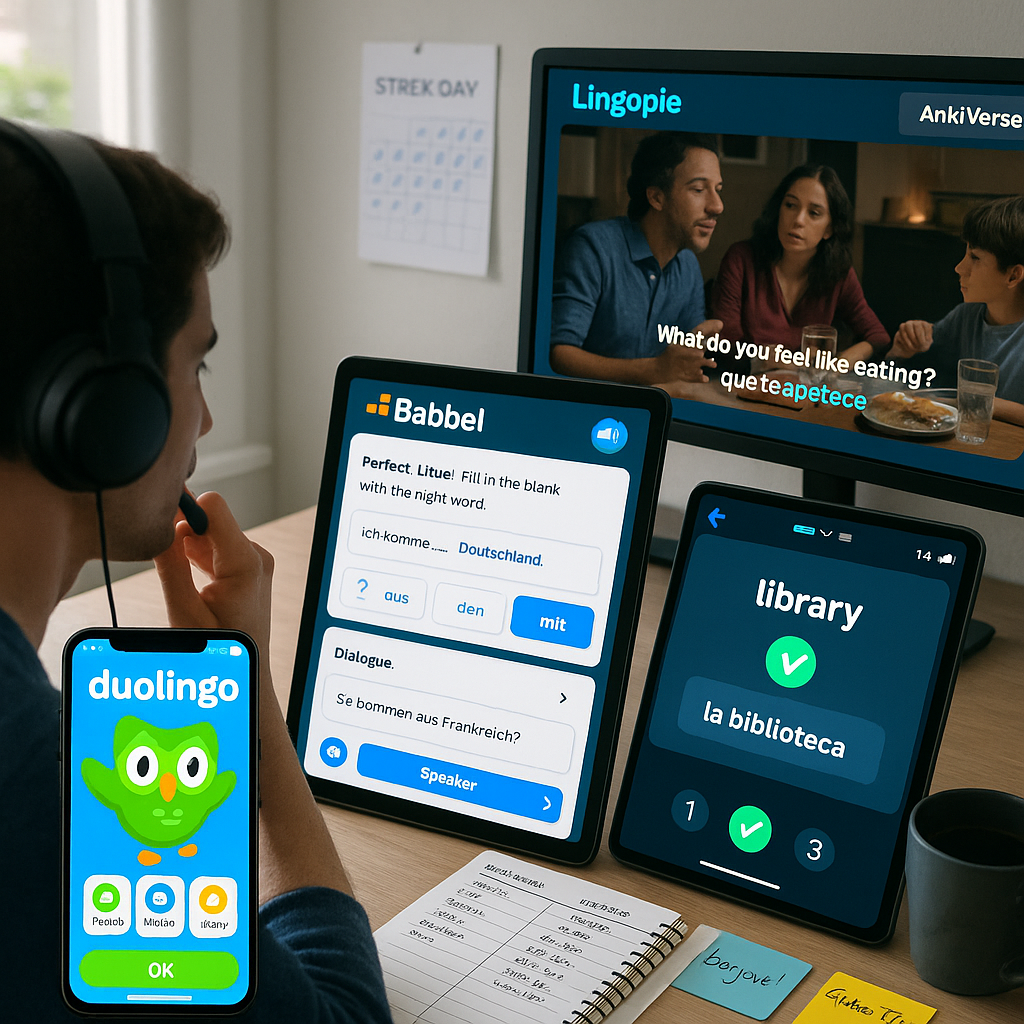
Choosing the right language learning app in 2025 is more nuanced than simply opting for popular names like Duolingo or Babbel. It’s about aligning your personal goals, learning style, and level of commitment with the features and strengths of each platform. As this market continues to evolve rapidly, offering tailored solutions for everyone from casual hobbyists to dedicated language enthusiasts, these key takeaways will help you find the best fit.
- Match Your Commitment, Not Just Features: Today’s apps are categorized to serve casual learners with gamified, bite-sized practice or more committed students with comprehensive, structured lessons. Assessing your available time and dedication is essential for making an effective choice.
- Duolingo Excels in Gamified Learning: Duolingo remains a standout for beginners and casual users. Its engaging challenges, intuitive interface, and robust free tier keep motivation high while offering steady progress without overwhelming the user.
- Babbel Shines for Structured Progress: Babbel’s classroom-like progression, clear grammar explanations, and real-world dialogues make it the smart choice for learners seeking deeper understanding and measurable progress in conversation skills.
- Live Interaction and Native Feedback Accelerate Mastery: The latest apps now feature live conversation tools and feedback from native speakers, elements shown to dramatically boost fluency and close the gap between practice and real-world communication.
- Free vs. Paid: Evaluate Value, Not Just Cost: While many platforms deliver solid results at no cost, advanced lessons, personalized coaching, and offline access on paid tiers can make a significant difference for serious learners. Understanding when these upgrades fit your needs is crucial.
- Choose Apps by Life Stage and Proficiency: There is no universal solution. Some apps are designed for travelers needing quick phrase mastery, while others cater to advanced learners striving for fluency. Clarifying your current proficiency and learning context ensures a more successful match.
- Consistency and Interaction Drive Effectiveness: No app alone guarantees fluency. Top outcomes come to those who pair app-based study with live conversation, regular practice, and immersion in authentic materials.
- Motivational Tools Are Raising the Bar: Today’s leading apps leverage features like streaks, reminders, and social communities to turn fleeting interest into lasting daily habits and to overcome common motivation pitfalls.
As you explore the best language learning apps of 2025, use these insights to guide your selection. They will help you cut through marketing noise and build a study routine that not only matches your goals but also keeps you motivated. Next, we’ll examine the top platforms, highlight key innovations, and share practical tips for every stage of your language journey.
Introduction
With an ever-expanding array of education apps, it might seem that fluency is just a tap away. However, the best language learning apps in 2025 go beyond popularity. They focus on aligning with your specific objectives and sustaining your commitment over time.
Whether you gravitate toward Duolingo’s gamified micro-lessons or prefer Babbel’s structured, in-depth courses, your choice of app can turn study from a tedious obligation into a rewarding daily habit. In this article, we’ll explore leading platforms and innovative newcomers, show how each matches various learning styles and goals, and equip you to craft a truly personalized language learning path.
Un passo avanti. Sempre.
Unisciti al nostro canale Telegram per ricevere
aggiornamenti mirati, notizie selezionate e contenuti che fanno davvero la differenza.
Zero distrazioni, solo ciò che conta.
 Entra nel Canale
Understanding the New Language Learning App Landscape
In recent years, the language learning app landscape has undergone a major transformation, prioritizing commitment level as much as features. This reflects a deeper appreciation of the diverse approaches people take, whether dabbling for travel or dedicating significant time to reach fluency.
Commitment-Based Categories
Today’s apps generally fit within three commitment-driven tiers:
- Casual Learning Apps: Provide 5-15 minute daily practices with gamified elements, lighter content, and low-pressure reminders to keep language fresh for casual learners.
- Regular Commitment Apps: Target users who devote 30-60 minutes per day, offering medium-depth structured lessons, progressive learning paths, and regular practice with grammar and vocabulary.
- Intensive Learning Platforms: Designed for those investing an hour or more daily, featuring immersive modules, real-time conversation practice, and rich content for rapid progress.
This commitment-based categorization empowers learners to find tools that genuinely fit their lifestyle and results in higher retention rates and more sustainable habits.
In addition to the individual learner, educators and business trainers are increasingly leveraging these tiers to match app use to curriculum, employee upskilling programs, or client needs, supporting broader adoption across different environments.
Top Language Learning Apps of 2025
Duolingo: The Gamification Pioneer
Duolingo remains a leader in the casual learning tier, constantly refining its adaptive system for an even more engaging user experience. Noteworthy updates include:
- AI-Powered Real-Time Conversations: Users can now participate in simulated dialogues that respond dynamically to pronunciation, fluency, and context. This helps bridge the gap between passive learning and real-life language use.
- Personalized Learning Paths: The app factors in your strengths and learning history to create tailored paths, maximizing efficiency and minimizing frustration.
- Community Challenges: Interactive monthly competitions connect learners with native speakers and peers worldwide, encouraging consistency through friendly rivalry and collaboration.
Duolingo’s free version is exceptionally generous. However, Duolingo Plus ($89.99/year) introduces perks such as personalized coaching, advanced progress analytics, and business language modules, adding value for committed or career-focused learners.
Babbel: The Structured Learning Solution
Babbel stands out in the regular commitment segment, offering:
- Live Online Group Classes: Engage with real teachers and peers for guided practice, feedback, and cultural exchange.
- Cultural Immersion Modules: Virtual reality experiences place learners in realistic settings, building comfort and context for real-world conversations.
- Comprehensive Grammar and Usage Explanations: Lessons demystify rules and provide immediate, practical application.
Babbel’s deployment of sophisticated spaced repetition algorithms has boosted user progress by 35%. This makes it especially effective for learners who desire structure and tangible results.
Innovative Newcomers Expanding the Field
Lingopie: Streaming Meets Language Acquisition
Lingopie offers a media-rich alternative for immersive learners, blending entertainment and education through:
- AI-Generated Interactive Subtitles: Instantly translate or expand any subtitle for rapid understanding while watching.
- Custom Vocabulary Lists: Automatically generate personal word banks from viewed content, targeting words you encounter in context.
- Cultural Insights: Each show or film includes notes on idioms, humor, and etiquette, making learning both relevant and memorable.
This approach is particularly effective for auditory and visual learners, as well as those seeking exposure to regional accents and slang.
AnkiVerse: Advanced Spaced Repetition Reimagined
Evolving from the classic Anki flashcard model, AnkiVerse delivers:
- Integration with Streaming Services: Easily capture words from shows and auto-create review cards.
- Collaborative Decks: Work with native speakers or fellow learners to curate, refine, and share resource-rich study materials.
- Real-Time Pronunciation Feedback: State-of-the-art speech recognition provides instant corrections, accelerating spoken accuracy.
AnkiVerse is favored by advanced learners and polyglots, as well as students preparing for language certification exams or professional use.
Additional Industry Verticals Leveraging Language Apps
Language learning apps are no longer just for travelers or hobbyists. In healthcare, industry-specific vocabulary modules assist nurses and doctors in communicating across borders. In finance, professionals use apps to learn negotiation phrases for international dealings. Educational institutions employ custom modules to support multicultural classrooms, and legal professionals increasingly turn to specialized language apps for contract wording and compliance in multiple jurisdictions.
Choosing the Right App Based on Learning Style
Matching your app to your natural learning style significantly increases your chances of success.
Visual Learners
If you best remember information you see, consider:
- Memrise (now with augmented reality word visualizations that allow users to “see” vocabulary in their home or workspace).
- Drops: Delivers quick, visual word associations and images, making vocabulary recall intuitive.
- Lingopie: Immersion via subtitled video content, ideal for context-driven learners.
Auditory Learners
For those who absorb language through listening and speaking:
Un passo avanti. Sempre.
Unisciti al nostro canale Telegram per ricevere
aggiornamenti mirati, notizie selezionate e contenuti che fanno davvero la differenza.
Zero distrazioni, solo ciò che conta.
Entra nel Canale
- Pimsleur: Still excelling with audio-centric lessons focused on real conversation patterns.
- LingoDeer: Strengthens pronunciation with advanced listening drills and speech analysis.
- Speechling: Personalized sessions with native speaker recordings for direct feedback.
Kinesthetic Learners
For learners who benefit from hands-on activity and real-world practice:
- Busuu: Features interactive writing and speaking practice, including language exchange with native speakers.
- HelloTalk: Connects learners for live, real-time chat and voice exchanges, providing dynamic, practical application.
- Mondly AR: Uses augmented reality to generate lifelike conversation scenarios, promoting active engagement.
In corporate settings, this personalized approach is important for workforce training and team building, ensuring every employee maximizes retention according to their learning strengths.
Premium vs. Free Features Analysis
Free Tier Capabilities
Most leading apps deliver considerable functionality at no cost, including:
- Foundational vocabulary and grammar lessons
- Limited daily lesson quotas
- Access to community discussions and peer support forums
- Basic performance tracking
Premium Benefits Worth Considering
Paid subscriptions (often $5-15 per month) typically unlock:
- Comprehensive offline access for learning anywhere
- Personalized learning paths and study schedules
- Enhanced interaction with native speakers, such as direct feedback and video calls
- Detailed analytics to track strengths, weaknesses, and progress milestones
- Specialized vocabulary modules tailored for business, travel, or exams
Some platforms bundle in perks relevant to specific industries. For example, finance apps may provide sector-specific jargon lessons, while healthcare modules offer emergency communication practice.
Effectiveness and Learning Outcomes
Success Metrics
Recent research points to measurable outcomes for different user types:
- Casual Apps: Learners typically retain 15-20% of new vocabulary after three months.
- Regular Commitment Apps: Users see a 40-50% improvement in conversational abilities and grammar control.
- Intensive Platforms: With daily use of an hour or more, success rates for reaching target proficiency levels soar to 70-80%, comparable to formal classroom settings.
Time Investment vs. Results
Evidence suggests the following routines yield the most effective results:
- Casual Use (10-15 min/day): Suitable for travelers and hobby learners, yielding significant gains in phrase recognition and basic conversation.
- Regular Study (30-45 min/day): Best for learners seeking conversational fluency and deeper vocabulary comprehension.
- Intensive Engagement (1-2 hours/day): Accelerates mastery to a level approaching academic classroom instruction, ideal for professionals or advanced users.
Educational institutions and corporate language programs now use these metrics to set training expectations, track progress, and allocate learning resources effectively.
Integration with Other Learning Methods
Complementary Learning Tools
A holistic approach produces the best language learning outcomes. Pair your app use with:
- Language Exchange Partnerships: Connect with native speakers or fellow learners for real conversational feedback.
- Podcasts and Audio Media: Boost listening skills and expose yourself to a range of accents and registers.
- Traditional Textbooks: Deepen grammar understanding and cultural context.
- Immersive Media: Consume news, movies, and literature to see language in real, unpredictable contexts.
Creating a Balanced Learning Plan
Successful language learners often:
- Combine multiple apps targeting different skill sets (reading, speaking, listening, writing)
- Mix structured lessons with immersive practice, such as language meetups or travel
- Maintain consistent, ideally daily, study routines to ensure steady progress
- Track progress across platforms, using analytics to identify weak spots and celebrate milestones
This balanced approach is now widely recommended in educational and workplace language programs for its proven effectiveness and adaptability.
Conclusion
In 2025, language learning apps offer an unparalleled level of flexibility and personalization, accommodating every learner’s lifestyle, goals, and preferred learning style. By thoughtfully matching your objectives and daily schedule to the right mix of platforms, you can maximize engagement and knowledge retention. Advanced AI features, live native-speaker interaction, and industry-specific modules have expanded the practical utility of these tools across healthcare, education, finance, legal, and more.
Today, true language mastery is built through an integrated strategy. Blending multiple learning platforms, real-world practice, and consistent daily effort is crucial. The ever-evolving array of free and premium features ensures there is a solution for every ambition and budget, leveling the playing field for learners everywhere.
Looking forward, it’s the adaptable, proactive learner who will thrive. As new technologies and app features continue to emerge (from augmented reality immersion to real-time AI feedback), success belongs to those who not only choose the right tools but embrace lifelong learning habits. Set your sights on fluency and cultural connection, harness the best of today’s digital resources, and transform your language learning journey into a gateway for global opportunity.




Leave a Reply