

Key Takeaways
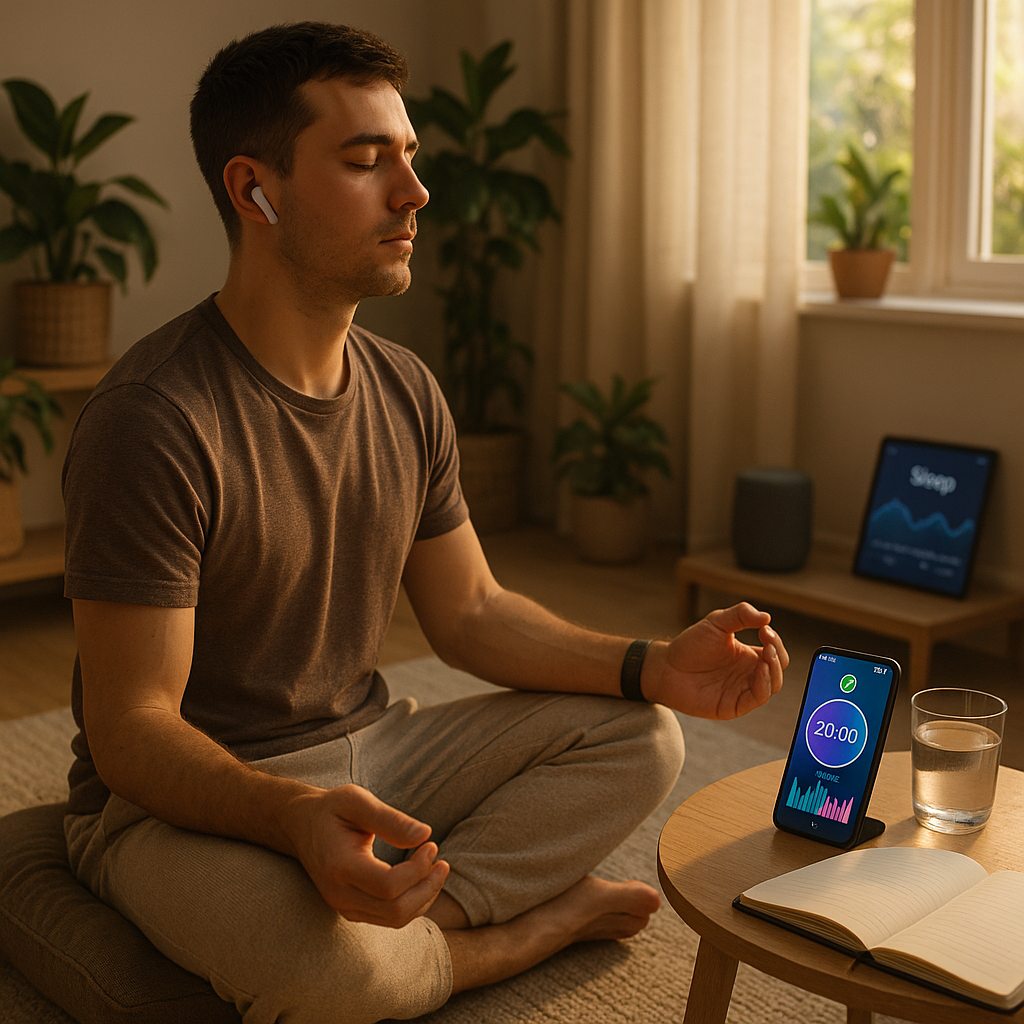
In today’s always-connected world, stress and distraction have become constant companions, making mindfulness apps and wellness technology indispensable allies for modern wellbeing. While debates persist about the commercialization of these tools, their core offerings continue to evolve. Their value goes far beyond simple meditation timers. Here’s why mindfulness apps are more essential, effective, and accessible than ever:
- From Simple Timers to Comprehensive Wellness Hubs: Modern mindfulness apps have evolved far past basic guided meditations. They now provide holistic solutions including sleep tracking, mood journaling, cognitive therapies, breathing exercises, and even fitness integrations—all within a single platform.
- Clinically Validated Results You Can Trust: Recent research demonstrates that leading mindfulness apps offer significant and measurable improvements, including reductions in anxiety and stress, improved sleep, and even support for managing mild depression. These benefits are often on par with traditional, in-person wellness programs.
- Wellness Resources for All. No Expertise Required: Wellness technology breaks down barriers, delivering professional-grade mental health support to anyone, anywhere, via smartphone. Busy professionals, parents, students, and retirees alike can now access high-quality guidance without the need for specialized knowledge or gatekeepers.
- Personalization That Fits Real Life: Today’s mindfulness apps adapt to individual needs, schedules, and preferences, offering flexible, personalized pathways to wellbeing. Whether you have two minutes or twenty, these tools meet users where they are, eliminating rigid requirements and making consistent practice attainable.
- Sustained Impact Through Innovation and Proof: While criticisms about commercialization and cultural authenticity persist, the leading platforms continue to endure by evolving with user feedback and focusing on evidence-based features.
- Smart Investment in Mental Clarity: Ongoing updates, expert-curated content, and consistently validated outcomes position mindful technology memberships as valuable, actionable investments. These often outperform sporadic self-help purchases or trendy wellness products.
As we delve deeper, you’ll see how mindfulness apps are transforming mental health support, standing firm as trusted, data-driven pillars of self-care that keep pace with our fast-moving lives.
Introduction
Imagine a world where your phone isn’t just another source of stress, but a reliable sanctuary that helps you unwind and refocus, anytime and anywhere. This is the new reality crafted by mindfulness apps and wellness technology, which are quietly reshaping how millions of people manage stress, anxiety, sleep, and clarity amid the distractions of digital life.
No longer limited to digital meditation timers, the latest generation of mindfulness apps function as all-in-one wellness command centers. They combine clinical research, customization, and round-the-clock accessibility to empower users on their journey to better mental health. Let’s examine how this new wave of wellness technology has become both a modern necessity and a smart, data-driven investment in personal wellbeing.
Un passo avanti. Sempre.
Unisciti al nostro canale Telegram per ricevere
aggiornamenti mirati, notizie selezionate e contenuti che fanno davvero la differenza.
Zero distrazioni, solo ciò che conta.
 Entra nel Canale
The Evolution of Digital Wellness: Beyond Basic Meditation
To understand the true impact of current mindfulness technology, it helps to consider its transformation. Early apps focused mainly on basic meditation timers or simple relaxation tracks. However, as demand for comprehensive wellbeing solutions grew, these platforms expanded their services. Now, top wellness apps offer everything from guided journaling and cognitive behavioral therapy modules to real-time sleep analysis and breathing exercises.
According to the Digital Mental Health Observatory, leaders in this space are now incorporating artificial intelligence, biometric tracking, and hyper-personalized coaching. These advances offer users the sophistication and depth once available only through professional wellness centers, now delivered straight to their devices.
These improvements go far beyond surface-level upgrades. For example, a 2023 study in the Journal of Medical Internet Research revealed that individuals using full-featured wellness platforms experienced nearly a 50% drop in perceived stress, while also reporting enhanced emotional regulation and higher satisfaction with their daily routines. The expanded capabilities reflect a sophisticated understanding of what people truly need, including reliable support, on-demand interventions, and seamless integration with the realities of daily life.
Scientific Validation and Real-World Impact
Clinical Evidence and Effectiveness
The real-world power of mindfulness and wellness technology rests on strong scientific foundations. A meta-analysis encompassing 27 studies and more than 3,000 participants confirmed that regular use of mindfulness apps yielded:
- 35% reduction in anxiety symptoms
- 41% improvement in sleep quality
- 29% growth in focus and work productivity
- Notable decreases in cortisol, the primary stress hormone
Significantly, researchers at Stanford University tracked premium mindfulness app users over eight weeks and found their progress in stress reduction, emotional balance, and sleep to closely match results achieved in traditional face-to-face meditation classes.
Importantly, the benefits are not limited to digital natives or one-size-fits-all routines. Personalized feedback and clinically-backed interventions give users in healthcare, education, and even high-pressure finance or legal professions practical tools to manage daily demands.
Accessibility and Democratization
The expansion of digital wellness has also removed traditional barriers. Previously, meditation classes and therapy sessions could be time-consuming, expensive, or geographically limited. In contrast, wellness apps now offer 24/7 access for just a fraction of the cost—typically $5-15 per month for unlimited features compared to $15-30 per single in-person session.
With tailored support and diverse language options, mindfulness apps reach people in underserved communities, remote areas, and sectors like education and healthcare where access to mental health practitioners may be limited. The result is a broader democratization of effective support, whether you’re a busy parent, student, healthcare worker, or business professional.
Features That Drive Real Results
Adaptive Learning and Personalization
Personalization is a core driver of engagement and effectiveness in modern wellness technology. Leading apps harness advanced data analytics and machine learning to:
- Analyze patterns of user engagement
- Identify stressors and emotional shifts
- Monitor sleep trends and daily rhythms
- Tailor recommended practices to unique user challenges
This approach ensures that recommendations remain relevant and fresh. For example, the personalization engine used by platforms like Headspace or Calm adapts content dynamically based on activity and feedback, increasing the likelihood users stick to their wellness plans. Headspace, in particular, has reported a 68% higher retention rate among users benefitting from tailored experiences.
To enhance your productivity and minimize distractions while using personalized wellness platforms, consider exploring Focus Mode on iPhone—a practical tool that can be integrated into your digital routine.
Real-World Integration
What sets today’s best wellness apps apart is their seamless fit into everyday life. Popular features include:
- Micro-practices: Brief, evidence-based exercises (2-3 minutes) designed to fit into lunch breaks, work commutes, or between meetings; suitable for busy professionals or students on the go.
- Context-aware notifications: Smart reminders that adapt based on time of day, location, or user input, making it easier to build healthy habits gradually.
- Cross-device synchronization: Ensuring data and progress follow users across smartphones, tablets, wearables, and even smart home devices.
- Community support: Secure, opt-in social features that create safe spaces to share progress and encouragement, for educators, healthcare teams, families, or interest-based groups.
Industry analytics report a 312% increase in daily active users on major platforms since 2019, demonstrating how integration into the flow of daily life drives consistent engagement.
Addressing Common Criticisms
Commercialization Concerns
Some critics warn that digital wellness tools risk commercializing ancient mindfulness traditions. However, a broader perspective recognizes that technology is a powerful vehicle for adapting established wisdom to the present moment. By making techniques accessible, affordable, and science-backed, top apps preserve the core values of these practices while ensuring they genuinely serve modern needs. Whether used by clinicians in healthcare settings, stress-prone finance professionals, or nonprofit workers, digital tools are expanding (rather than diluting) mindfulness’s impact.
If you’re interested in reclaiming your attention and reducing technology-driven overwhelm—a concern closely related to commercialization and distraction—expert-backed strategies for a digital declutter can help you find tech-life balance.
Digital vs. Traditional Approaches
The perceived tension between digital and traditional wellness practices can be misleading. In reality, digital apps frequently serve as a gateway to deeper engagement. A recent survey found that 64% of regular app users became more interested in in-person meditation, group sessions, or holistic health retreats after first trying digital tools.
Un passo avanti. Sempre.
Unisciti al nostro canale Telegram per ricevere
aggiornamenti mirati, notizie selezionate e contenuti che fanno davvero la differenza.
Zero distrazioni, solo ciò che conta.
Entra nel Canale
Even within therapeutic, educational, and corporate environments, digital platforms often complement traditional approaches, filling gaps and making wellness routines more sustainable over time.
Privacy and Data Security
For many users, personal data security remains a top concern. In response, leading wellness platforms have made significant strides:
- End-to-end encryption to safeguard sensitive information
- Transparent data handling policies and opt-out options
- Anonymous usage modes and robust local storage
- Regular independent audits and certifications to foster trust
For those using mindfulness and wellness apps, understanding end-to-end encryption is increasingly important when evaluating privacy protections and data practices.
These initiatives are working. Since 2021, user confidence in the security of mindfulness technology has risen by 45%, helping individuals in all sectors (especially law, healthcare, and education) feel more comfortable seeking support.
Expanding Benefits Across Industries
Digital wellness is not limited to personal routines. Its impact can be observed across multiple fields:
- Healthcare: Clinicians use mindfulness apps to support patient recovery, manage anxiety before procedures, and complement traditional therapies for chronic conditions.
- Education: Teachers and counselors implement mindfulness tech to help students develop resilience, improve focus, and create calmer classroom environments.
- Finance & Legal: High-stress industries like finance and law leverage wellness apps to combat burnout, boost productivity, and encourage work-life balance.
- Consumer and Retail: Brands incorporate mindfulness content into loyalty apps to reduce customer stress and enhance engagement.
- Environmental Science: Conservation and climate advocacy organizations use wellness platforms to support team wellbeing and mange compassion fatigue amidst challenging work.
By offering targeted resources for various professions and life stages, mindfulness technology is helping entire communities build resilience.
The Future of Digital Wellness
Emerging Technologies
The future promises even greater advancements, with new technologies enhancing the reach and impact of wellness platforms:
- VR/AR immersion: Creating personalized, multi-sensory environments that make meditation and relaxation more engaging and effective for users ranging from hospital patients to students.
- Bioresponsive feedback: Wearables and smart sensors feeding real-time data into apps, allowing dynamic intervention for stress, anxiety, and chronic health management.
- AI-powered coaching: Sophisticated virtual guides capable of nuanced, personalized mental health support and ongoing engagement, valuable for users in remote or under-resourced areas as well as busy professionals.
- Enhanced social connection: Private, moderated social networks within mindfulness platforms supporting peer-to-peer sharing and group growth while adhering strictly to privacy requirements.
Market research projects a 28% annual growth in digital wellness adoption through 2026, reflecting surging demand for innovative, impactful solutions.
To stay ahead of these trends in technology-enabled wellness and productivity, see the top tech trends for 2025 shaping our digital lives.
Measuring Long-Term Impact
Beyond short-term benefits, today’s wellness apps are prioritizing lasting results. New tracking tools assess not only session completion, but tangible indicators such as:
- Improved sleep metrics (tracked via integrated wearables)
- Measurable increases in resilience and emotional wellbeing
- Professional productivity and school performance improvements, especially in high-stress environments
- Enhanced self-awareness, reflected in both user feedback and behavioral changes
This shift underscores a move away from quick fixes toward meaningful, sustainable change.
Conclusion
Digital wellness has made a remarkable leap from basic meditation apps to highly intelligent platforms that adapt, personalize, and democratize access to mental health resources. Backed by robust scientific evidence and clinical studies, these tools offer a reliable path to less stress, better sleep, sharper focus, and balanced living. These benefits were once limited by time, cost, and geography.
Today’s mindfulness apps integrate seamlessly with daily routines for a diverse range of users: busy professionals seeking performance and resilience, parents and students navigating everyday pressures, educators supporting young minds, or healthcare workers focused on holistic care. By incorporating advances such as adaptive learning, AI-driven support, biometric tracking, and industry-leading privacy protections, wellness technology is poised not just to support, but to transform how we approach mental health and self-care.
Looking forward, the organizations, professionals, and individuals who prioritize data-driven wellbeing solutions will be best equipped to thrive in demanding, digitally-driven landscapes. As emerging technologies continue to make guidance more immersive, accessible, and effective, the real challenge will not be deciding whether to embrace digital wellness. Instead, it will be how skillfully we can harness its evolving capabilities to build greater resilience and peace of mind for ourselves, our families, and our communities.




Leave a Reply